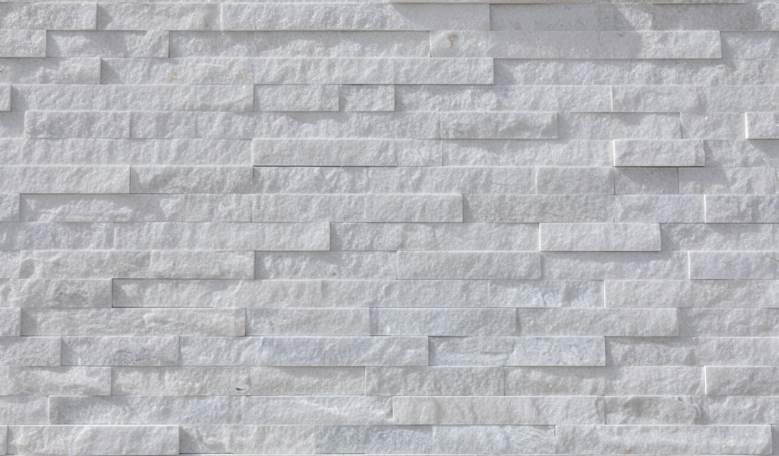
Quelle gestapelter Stein China ist der erste Kontrollpunkt, den Käufer abschließen sollten, bevor sie einen Lieferanten, ein Budget oder einen Produktionsslot genehmigen. Wenn Sie danach suchen Quelle gestapelter Stein aus China Zum ersten Mal besteht die eigentliche Herausforderung nicht darin, einen Lieferanten zu finden, sondern herauszufinden, wem die Fabrik tatsächlich gehört und wer Ihre Anfrage nur mit einem Aufschlag von 30 % weiterleitet. Jede Woche spreche ich mit Importeuren, die dachten, sie hätten ein Direktgeschäft abgeschlossen, nur um herauszufinden, dass ihr „Hersteller“ ein Handelsunternehmen war, das von einem gemeinsamen Büro in Foshan aus operierte. Der Unterschied liegt nicht nur im Preis; Es geht um die Kontrolle über Qualität, Farbkonsistenz und Vorlaufzeit.
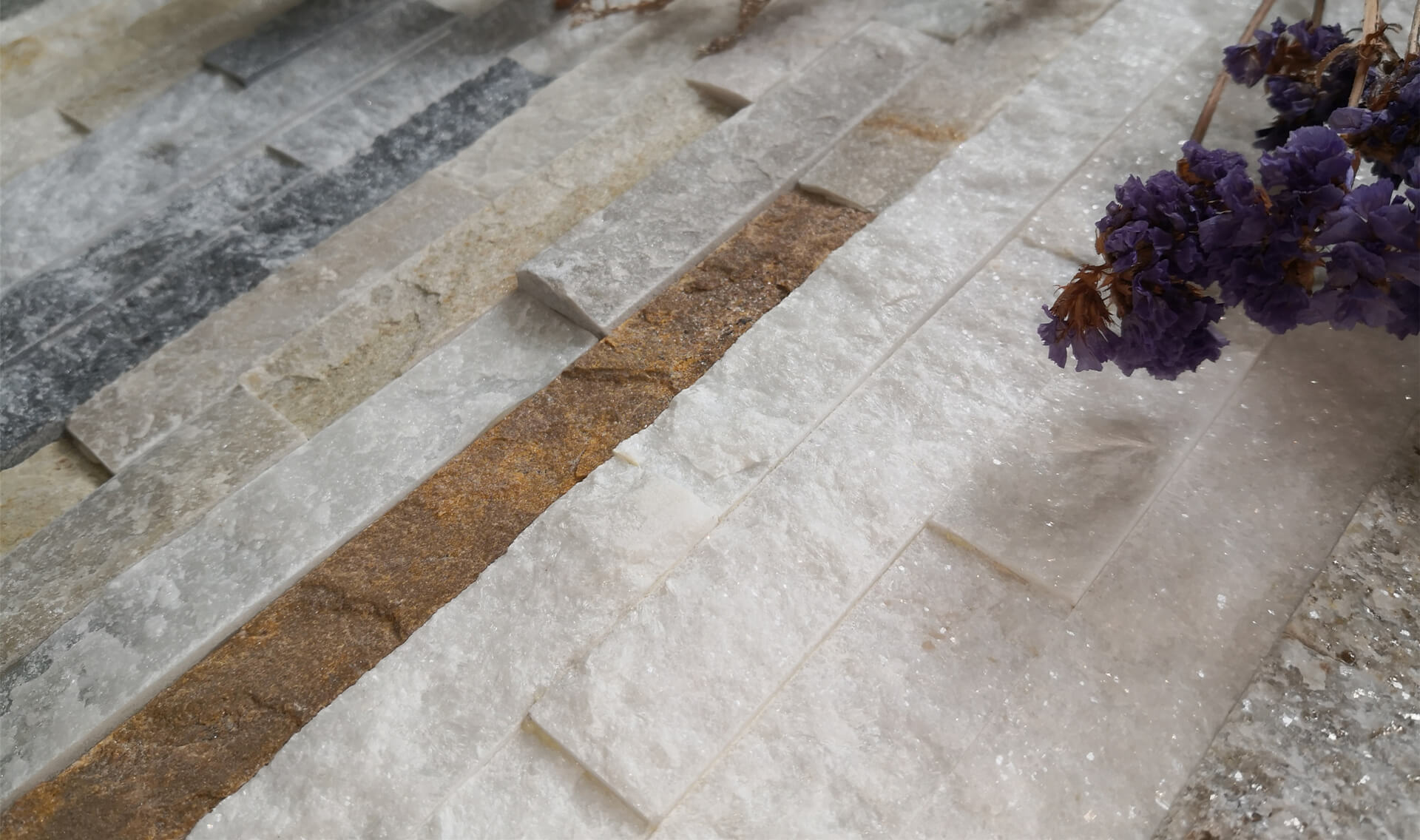
Nehmen Sie als Beispiel die Farbabstimmung. Ein Hersteller von gestapelten Steinen im Großhandel in China wie Top Source Slate verfügt über ein eigenes Farbsortimentsarchiv aus dem eigenen Steinbruch und ein Aufbewahrungsprotokoll für Produktionsmuster, das die genaue Mischung festlegt, bevor mit dem Massenschneiden begonnen wird. Handelsunternehmen verfügen selten über dieses Archiv. Sie bestellen bei der Fabrik, die in dieser Woche freie Kapazitäten hat, und genau so stehen am Ende zwei Behälter mit „Ice Grey“-Quarzit nebeneinander, die wie völlig unterschiedliche Materialien aussehen. Allein dieses Risiko kann Ihre Marge schneller verschlingen als jeder Versandzuschlag.
Warum sollte man gestapelten Stein aus China beziehen?
Wichtigste Imbiss: Die direkte Beschaffung von gestapelten Steinen von einem chinesischen Hersteller senkt die Stückkosten im Vergleich zu Handelsunternehmen um 30–50 %. Erwarten Sie FOB-Preise von 8–18 $/m² für Standard 6×24-Zoll-Quarzit-Hauptbuchplatten. Das größte versteckte Risiko ist die Farbinkonsistenz zwischen den Chargen – bestehen Sie auf einem Farbarchiv aus dem Steinbruch und einem unterzeichneten Produktionsmuster-Aufbewahrungsprotokoll, bevor Sie Großbestellungen aufgeben.
China produziert etwa 40 Prozent des weltweiten Natursteins. Die Konzentration moderner Produktionskapazitäten in der Provinz Hebei bedeutet, dass Sie Quarzit, Schiefer, Marmor und Sandstein aus derselben Region und oft aus derselben Fabrik beziehen können. Top Source Slate verfügt über 18 Jahre Exporterfahrung und liefert in über 20 Länder. Die Beschaffung von einem Hersteller direkt ab Werk anstelle eines Zwischenhändlers ermöglicht es globalen Händlern, sich auf einen konsistenten Produktionsprozess einzulassen, den sie weltweit sicher überprüfen, reproduzieren und skalieren können.
Schritt 1: Suchen Sie einen verifizierten Hersteller
Die größte Angst des Käufers ist nicht der Preis – es geht darum, einen Behälter mit nicht zusammenpassendem, nicht den Spezifikationen entsprechendem Stein zu erhalten, der seine Gewinnspanne und seinen Ruf zerstört. Hier ist der genaue Prozess, um dieses Risiko zu beseitigen.
Sie sind ein unerfahrener Importeur, der sich Alibaba anschaut und 50 Angebote für „Hersteller von gestapelten Steinen“ sieht. Bei der Hälfte handelt es sich um Handelsunternehmen mit einem Aufschlag von 20–30 %. Die andere Hälfte sind echte Fabriken. Der Unterschied liegt nicht nur im Preis, sondern auch in der Verantwortlichkeit. Eine Fabrik kontrolliert den Steinbruch, den Abbau und die Qualitätskontrolle. Ein Handelsunternehmen kontrolliert nichts. Wenn Ihre Lieferung mit der falschen Farbauflage ankommt, wird ein Handelsunternehmen die Fabrik dafür verantwortlich machen. Ein direkter Hersteller muss das Problem beheben. Befolgen Sie diese Checkliste, um Zwischenhändler zu filtern:
- Überprüfung des Live-Bodens: Fordern Sie eine Live-Videotour durch die Fabrikhalle an. Bitten Sie sie, an der Schnittlinie vorbeizugehen und Ihnen den Rohblockbestand zu zeigen. Seriöse Hersteller in Hebei werden Ihnen problemlos ihre Infrarot-Maschinen zeigen können.
- Farbsortiment-Archiv: Naturstein variiert je nach Steinbruchblock und Saison. Bitten Sie den Lieferanten um Fotos von 10 aufeinanderfolgenden Produktionschargen derselben Farbe (z. B. Rustic Gold Rush), um akzeptable Variationsmargen festzulegen.
- Unabhängige Prüfung durch Dritte: Geben Sie 300–500 US-Dollar für eine Inspektion Ihres ersten Containers durch einen Dritten (SGS, Bureau Veritas) aus, um die Abmessungen zu überprüfen. Farbkonsistenzund die Unversehrtheit der Verpackung, bevor Restbestände freigegeben werden.
Schritt 2: Muster anfordern und Preise vergleichen
Kostenlose Muster sind für seriöse Käufer ein Warnsignal. Ein seriöser Hersteller weiß, dass ein 2-Zoll-Chip nichts über die Farbkonsistenz bei einem Produktionsdurchlauf von 200 m² aussagt. Bezahlen Sie den gesamten Versicherungsschutz – das ist die günstigste Versicherung, die Sie kaufen können.
Lassen Sie uns mit dem Unsinn über „kostenlose Proben“ Schluss machen. Wenn ein Lieferant Ihnen kostenlose Muster gestapelter Steine anbietet, schickt er Ihnen das schönste Stück aus seinem gesamten Steinbruch – was für die Abwicklung einer Großbestellung nutzlos ist. Mit kostenpflichtigen Mustern zu einem Preis zwischen 20 und 50 US-Dollar erhalten Sie eine vollständige Hauptbuchplatte (6 x 24 Zoll) aus der tatsächlichen Produktionscharge. Nur so kann eine echte Sichtkontrolle durchgeführt und der formschlüssige Sitz der Z-Kante richtig beurteilt werden. Bei Top Source Slate kann eine individuelle Farbe oder ein individuelles Design angepasst und das Muster innerhalb von 3 Tagen versendet werden, da wir die Schnittlinien direkt kontrollieren.
Lassen Sie uns nun darüber sprechen, wofür Sie tatsächlich bezahlen, wenn Sie von der Probe in den Behälter wechseln. Der angezeigte Preis hängt vollständig vom Werbespot ab Incoterms Parameter:
- FOB (kostenlos an Bord): Der Werkstorpreis zuzüglich Verladung auf das Schiff im chinesischen Hafen. Für eine standardmäßige 6×24-Zoll-Quarzit-Riegelplatte müssen Sie mit 8 bis 18 US-Dollar/m² rechnen. Ab dem Hafen tragen Sie das Risiko und die Fracht.
- CIF (Kosten, Versicherung, Fracht): Der Lieferant gibt einen Preis an, der den Versand und die Versicherung bis zu Ihrem Zielhafen beinhaltet. Vergleichen Sie den CIF des Lieferanten mit Ihrem eigenen Frachtrechner, um zu sehen, ob er die Versandmargen auffüllt.
- LDP (Landed Duty Paid): Der Lieferant kümmert sich um alles – Versand, Zollabfertigung, Zölle und Lieferung an Ihr Lager. Nutzen Sie LDP nur, wenn Sie keine Erfahrung mit Zollagenten haben.
Eine detaillierte Vorlage dazu, was Sie in Ihre Musteranforderungs-E-Mail schreiben sollten – einschließlich der Anforderung eines Produktionsmuster-Aufbewahrungsprotokolls – finden Sie in unserem Leitfaden unter So fordern Sie gestapelte Steinproben an. Senden Sie eine konkrete Anfrage für eine 6×24 Zoll große Quarzitplatte in einer benannten Farbe, mit der Bitte um das Infrarot-Schnittkanten-Verifizierungsfoto.
Schritt 3: Qualitätskontrolle und Produktion überprüfen
Die meisten Lieferanten prüfen ein Panel einmal. Wir prüfen jedes Paneel zweimal, bevor es eine Kiste berührt. Dieser Doppeldurchgang ist der Unterschied zwischen a <2 % Ablehnungsquote und ein Container voller Kopfschmerzen.
Das größte versteckte Risiko bei der Beschaffung von gestapelten Steinen aus China besteht nicht Preis. Es handelt sich um Farbwiedergabelücken und Dimensionsabweichungen zwischen den Chargen. Ein Handelsunternehmen kauft in drei verschiedenen Steinbrüchen ein, um Ihren Auftrag zu erfüllen, und teilt es Ihnen dann mit “Stein ist ein Naturprodukt.” Das ist ein Prozessfehler. Ein direkter Hersteller kontrolliert die gesamte Kette, von der Blockauswahl bis zur endgültigen Schachtel.
Hier ist das dreistufige QC-Protokoll, das eine Fabrik von einem Zwischenhändler trennt. Wenn ein Lieferant Sie nicht durch diese drei Phasen führen kann, haben Sie es nicht mit einem echten Hersteller zu tun:
- Rohstoffsortierung: Jeder Steinbruchblock wird auf natürliche Risse, Farbadern und strukturelle Integrität untersucht, bevor er in die Schnittlinie gelangt. Fehlgeschlagene Blöcke werden sofort verworfen.
- Infrarot-Präzisionsschneiden: Die Fabrik verwendet automatisierte Infrarot-Schneidgeräte, um eine Präzision im Submillimeterbereich zu erreichen und die ungleichmäßigen Lücken und welligen Anordnungen, die bei handgeschliffenem Stein auftreten, vollständig zu beseitigen.
- Endkontrolle in zwei Durchgängen: Ein internes Team prüft jedes einzelne Paneel zweimal auf Farbübereinstimmung, Kantenbeschaffenheit und Dickenraster und zieht sofort Paneele mit strukturellen Lücken oder Oberflächenleimrückständen heraus.
Schritt 4: Verpackung und Versand organisieren
Die größten versteckten Kosten bei der Beschaffung von gestapelten Steinen sind nicht die Steine selbst – es sind Versand- und Verpackungsfehler, die aus einem Produkt für 10 $/m² Kopfschmerzen für 15 $/m² machen.
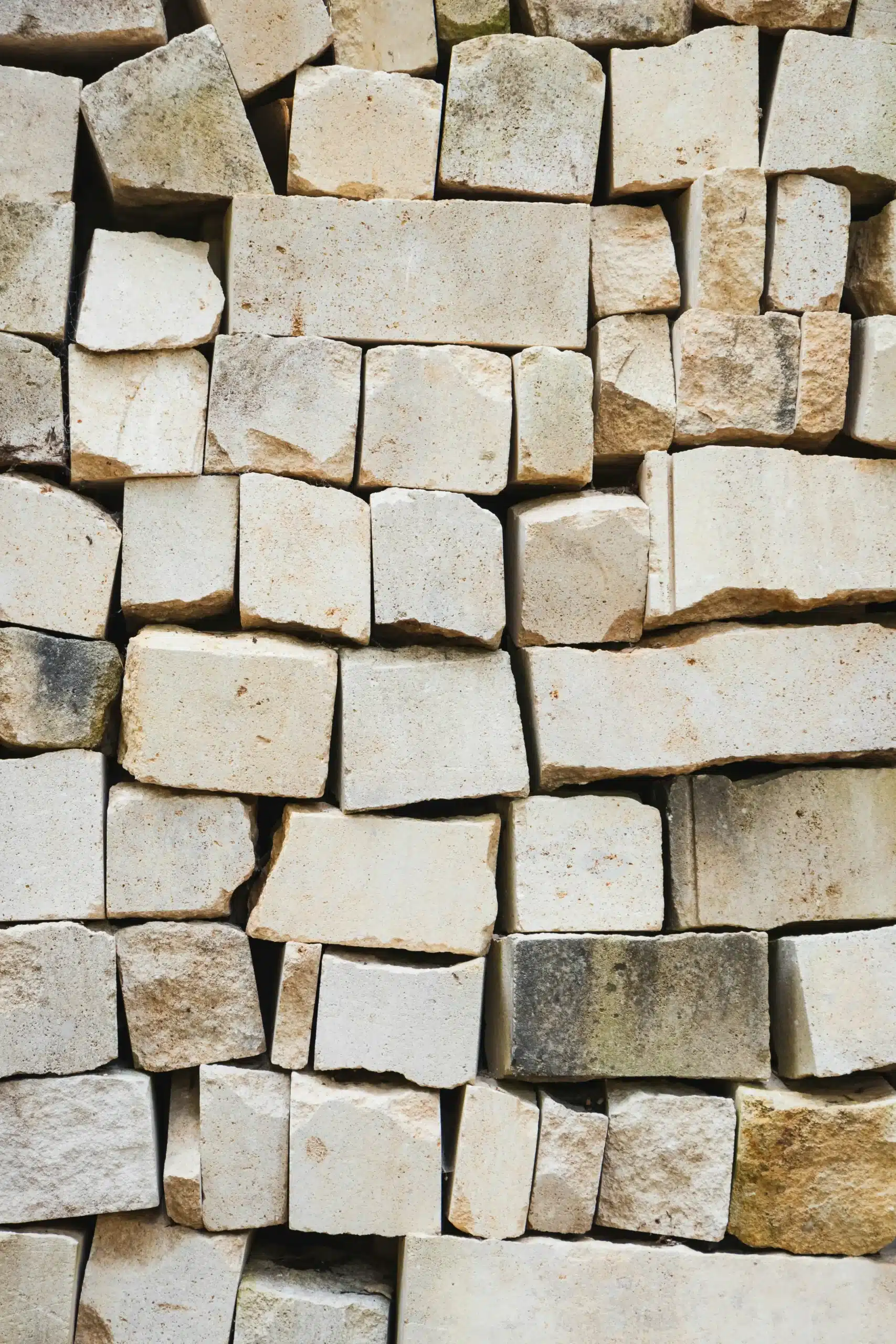
Die Standardverpackung für gestapelte Steinplatten eines professionellen Herstellers wie Top Source Slate folgt einem bestimmten Protokoll. Es ist nicht nur eine Schachtel und etwas Luftpolsterfolie. Die Reihenfolge ist: Wellpappekarton (innerer Schutz für jede Platte), dann eine Sperrholzkiste (strukturelle Steifigkeit), dann Palettierung (Zugang mit Gabelstaplern) und schließlich Container-Airbags und Stahldrahtverstärkung (Verhinderung von Lastverlagerungen).
- Container-Nutzlastkapazität: Ein standardmäßiger 20-Fuß-FCL fasst 200–300 m² Riegelplatten. Ein 40ft HC fasst 400–600 m². Planen Sie Ihr Bestellvolumen rund um diese Zahlen, um zu vermeiden, dass Sie für halbleere Slots bezahlen müssen.
- Ladungssicherungsprotokolle: Die Fabrik verwendet pneumatische Airbags und Drahtverstärkungen, um zu verhindern, dass sich die Platten während des Transports verschieben. Wenn Sie diesen Schritt überspringen, besteht die Gefahr eines Bruchs von 5–10 % bei der Ankunft.
- ISPM-15-Begasung: Alle Kisten aus massivem Sperrholz müssen sichtbare wärmebehandelte Stempel aufweisen. Wenn Sie ohne Versand versenden, muss Ihr Container auf Ihre Kosten (mindestens 300–600 US-Dollar) unter Quarantäne gestellt werden.
Eine detailliertere Aufschlüsselung der Logistikzeitpläne, der Hafendokumentation und der Spediteurauswahl finden Sie im vollständigen Leitfaden unter Versand von gestapelten Steinen aus China.
Schritt 5: Zollabfertigung & HS-Code
Wenn Ihr Lieferant ohne Begasungszertifikat für die Sperrholzkiste versendet, bleibt Ihr Container drei Wochen lang im Hafen. Diese Verzögerung kostet mehr als der Stein selbst.
Der HS-Code Bei Ihren gestapelten Steinplatten kommt es ganz auf das Material und nicht auf die Form an. Sie müssen dies richtig machen, da eine falsche Klassifizierung in den USA eine Zollsperre und eine 15-prozentige Strafkaution nach sich zieht. Für Grundplatten aus natürlichem Quarzit, Schiefer oder Marmor lautet der richtige Code 6802.21 (Naturstein, poliert oder anders bearbeitet). Für rekonstituierten oder kultivierten Stein (Kunststein auf Zementbasis, der grundsätzlich von den Zuschlägen gemäß Liste 4A, Abschnitt 301) ausgenommen ist, ändert sich der Code zu 6810.19.
Die wirklichen versteckten Kosten sind nicht die Pflicht, sondern die Konsistenz der Dokumentation. Fordern Sie ein formelles Formular an Ursprungszeugnis (Formular A für die EU, GSP für die USA), um sich für ermäßigte Zollsätze zu qualifizieren. Ohne diese Option zahlen Sie den vollen Meistbegünstigungspreis, der sich um 2–4 % auf Ihre Gesamtkosten erhöht. Für einen 40-Fuß-HC-Container (400–600 m²) sind das zusätzliche 400–1.200 US-Dollar, die Sie nicht eingeplant haben. Eine detaillierte Aufschlüsselung der spezifischen HS-Codes und Zollsätze nach Ländern finden Sie in unserem vollständigen Leitfaden: HS-Code für gestapelte Steine: Einfuhrzölle & Zollabfertigung für 2026.
Abschluss
Die Beschaffung von Stapelsteinen aus China ist ein bewährter Weg zu besseren Margen, aber nur, wenn Sie direkte Partnerschaften mit der Fabrik bevorzugen, die transparente Preise, strenge Qualitätskontrolle und Konsistenz bieten Farbabstimmung. Die Schritte in diesem Leitfaden – von der Überprüfung des Herstellers bis zur Sicherung eines unterzeichneten Musterprotokolls – sollen die Risiken beseitigen, die unerfahrene Importeure stolpern lassen.
Sehen Sie sich den Produktkatalog bei Top Source Slate an, um Standard-Quarzit-Hauptplatten und kundenspezifische OEM-Optionen zu vergleichen, die perfekt zu den Anforderungen Ihres Zielmarkts passen.
Häufig gestellte Fragen
Was sind die Nachteile von gestapelten Steinen?
Die Hauptnachteile sind Farbabweichungen zwischen den Chargen und höhere Installationsarbeitskosten aufgrund der unregelmäßigen Formen. Außerdem müssen Sie Naturstein regelmäßig versiegeln, um Flecken und Feuchtigkeitsschäden vorzubeugen. Fordern Sie immer ein Produktionsmuster und ein Budget für eine professionelle Installation an.
Was ist der Unterschied zwischen gestapeltem Stein und Ledgestone?
Stapelstein besteht aus gleichmäßigen, rechteckigen Stücken, die in engen Reihen angeordnet sind, während Simsstein aus längeren, vielfältigeren Stücken mit einer ausgeprägten horizontalen Leiste besteht. Ledgestone sorgt für einen raueren, rustikaleren Look. Wählen Sie je nachdem, ob Sie ein glattes oder ein strukturiertes Finish wünschen.
Wie viel kostet es, gestapelte Steine auf einen Kamin zu legen?
Für einen Standardkamin müssen Sie mit Kosten zwischen 800 und 2.500 US-Dollar allein für das Steinmaterial sowie 1.000 bis 2.500 US-Dollar für die professionelle Installation rechnen. Die Gesamtkosten des Projekts liegen in der Regel bei 1.800 US-Dollar aufwärts. Holen Sie zunächst ein Materialangebot ein und berücksichtigen Sie dann die örtlichen Arbeitskosten.
Welche verschiedenen Arten von Stapelsteinen gibt es?
Zu den gebräuchlichen Arten gehören Quarzit, Schiefer, Kalkstein, Basalt und Kunststein. Quarzit und Schiefer sind aufgrund ihrer Haltbarkeit und natürlichen Farbpalette am beliebtesten. Passen Sie die Steinart an Ihr Klima und Ihre Anwendung an, um optimale Ergebnisse zu erzielen.
Wie lange hält ein gestapelter Stein?
Natursteinstapel können bei ordnungsgemäßer Installation und Abdichtung 50 bis 100 Jahre oder länger halten. Die Lebensdauer hängt von der Steinart, den Klimabedingungen und davon ab, ob die Installation über eine geeignete Feuchtigkeitsbarriere verfügt. Eine jährliche Wiederversiegelung verlängert die Lebensdauer in Frost-Tau-Klimazonen erheblich.