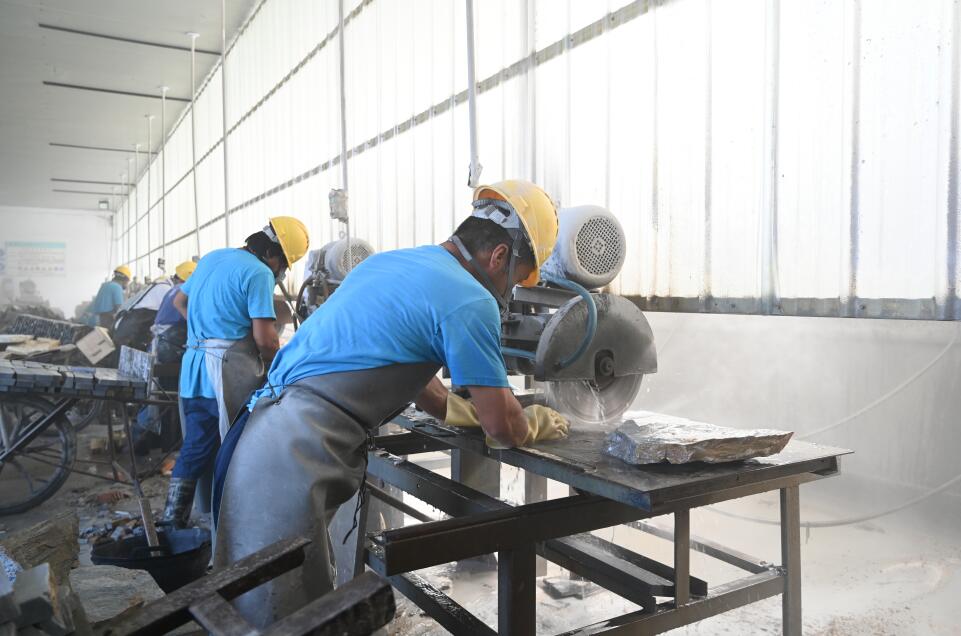
El mantenimiento de piedras apiladas es el primer punto de control que los compradores deben bloquear antes de aprobar un proveedor, un presupuesto o un espacio de producción. Cuarenta por ciento. Esa es la proporción de envíos de piedras apiladas sin sellar que desarrollan eflorescencias dentro de las dos semanas posteriores al viaje del contenedor cuando la humedad supera el 70%. Un caso involucró a un distribuidor del Medio Oeste que había aprobado la aprobación de una muestra y pensaba que el precio FOB era limpio. Nadie preguntó sobre la humedad del contenedor o el sellado previo. Ese descuido les costó casi 1.200 dólares en productos dañados en un solo contenedor de 20 pies, antes de que la piedra llegara a los estantes de las tiendas minoristas.
La mayoría de las guías de mantenimiento de piedras apiladas se centran en lo que debe hacer el cliente final después de la instalación. Eso pasa por alto la exposición real para los importadores. La ventana de daños se abre en el momento en que se cierra la puerta del contenedor en la fábrica. Si obtiene paneles de larguero natural de China, es casi seguro que la fábrica los envía sin sellar. Eso significa que usted, el distribuidor, es la primera línea de defensa contra la eflorescencia, el agrietamiento por congelación y descongelación y la pérdida de color. La pregunta es si su operación está preparada para manejarlo.
Por qué la mayoría de los envíos de piedra apilada llegan dañados: gestión del control de la humedad de los contenedores y los riesgos de humedad latente en las canteras
El 70% de los daños durante el tránsito se pueden prevenir con protocolos adecuados de secado y embalaje.
Un contenedor sellado en la fábrica de Hebei con piedra recién cortada que todavía contiene humedad de la cantera puede alcanzar niveles de humedad interna superiores al 85% dentro de las 48 horas posteriores a la carga. Eso da un 40% de posibilidades de que se forme eflorescencia en dos semanas, y la mayoría de los envíos pasan de 18 a 25 días en el mar. Las manchas blancas no son un defecto material; son una consecuencia predecible de omitir el secado previo al envío. Cracking por congelación y descongelación y el moho siguen la misma lógica: humedad atrapada que nunca tuvo oportunidad de escapar antes de que se cerraran las puertas del contenedor.
Controles de riesgo de degradación en tránsito:
- Puntos ciegos del procesamiento en fábrica: Los procedimientos estándar de las fábricas chinas rara vez incluyen el secado con aire forzado o la verificación de la humedad antes del envasado. La piedra se corta, empaqueta y carga dentro del mismo ciclo de producción. Los exportadores que no realizan un secado previo envían humedad latente que se condensará dentro del contenedor.
- Protocolos de secado calibrados: La piedra debe secarse al aire en rejillas durante un mínimo de 48 horas después del corte, o pasar por una cámara de secado antes de envolverla. El umbral son lecturas de humedad superficial inferiores al 6% en el núcleo de la paleta. Sin este paso, ninguna cantidad de bolsas desecantes compensará.
- Auditorías de embalaje de núcleos de paletas: Solicite al proveedor fotografías con marca de tiempo que muestren el refuerzo de la plataforma (protectores de esquinas, flejes de acero), la colocación del desecante (bolsas entre las capas, no solo la capa superior) y las lecturas del medidor de humedad antes de cargar el contenedor. Es probable que las fábricas que no pueden producir estas imágenes se estén saltando los pasos críticos.
- Escalas de impacto del margen de rotura: El subsidio por rotura estándar de la industria es del 3%. Las fábricas que utilizan corte por infrarrojos con una tolerancia de ±1 mm combinado con refuerzo rígido de paletas y envoltura retráctil logran consistentemente una rotura real inferior al 1%. La diferencia entre el 3% y el 1% en un contenedor de 20 pies es de aproximadamente entre $600 y $900 en producto no vendible.
Costo real de los bajos índices de mantenimiento para los distribuidores de gran volumen que compran libros de contabilidad al por mayor
La mayoría de los importadores descubren los costos de mantenimiento después de que llega el contenedor, no antes.
Todos los artículos sobre el mantenimiento de piedras apiladas le indican que selle después de la instalación. Ese consejo funciona bien para un propietario de vivienda. Para un distribuidor que aporta 2.500 pies cuadrados en un solo contenedor, es peligrosamente incompleto. El costo real del mantenimiento deficiente lo golpea en la puerta del almacén, no en el lugar de trabajo.
Una encuesta de Stone World de 2026 sitúa la tasa de retorno promedio de las importaciones de piedra en mal estado entre el 3% y el 8%. En un contenedor de 2.500 pies cuadrados que aterriza a aproximadamente entre 0,80 y 1,10 dólares por pie cuadrado FOB, eso equivale a entre 60 y 220 dólares en producto perdido antes del flete. Pero el verdadero daño está en el procesamiento de devoluciones, los créditos a los clientes y las devoluciones de cargos, que pueden inflar la pérdida al 10-15% de su margen en ese contenedor. Los distribuidores han amortizado entre 1.500 y 3.000 dólares por un solo contenedor de 20 pies porque se saltaron un paso de 0,50 dólares por pie cuadrado.
Indicadores de protección de costos de destino:
- Ratios de mitigación de reclamaciones: Del 3% al 8% para piedra sin sellar o mal almacenada. Menos del 2 % logrado con sellador de siloxano penetrante y estructuras de almacenamiento en bastidor de forma nativa.
- Asignaciones de selladores penetrantes: Cuesta aproximadamente entre $ 0,50 y $ 0,80 por pie cuadrado. Esa es una póliza de seguro de margen del 10 al 15 % contra una tasa de fallas y pérdidas del lote del 5 al 8 %.
- Cancelaciones de capital de contenedores: Para una configuración de contenedor estándar de 2500 pies cuadrados, las cancelaciones evitadas suman entre $1500 y $3000, suficiente para cubrir completamente el sellador en sus próximos tres envíos consecutivos.
Esto es lo que la mayoría de las guías de abastecimiento pasan por alto: prácticamente ninguna fábrica china presella la piedra apilada antes del envío. La piedra deja la instalación cruda, porosa y vulnerable. Durante una travesía oceánica de 18 a 25 días, la humedad de los contenedores aumenta regularmente por encima del 70 %; los datos de Trade Finance Global muestran picos de hasta el 85 % sin desecante. Dentro de esa caja de metal sellada, los paneles de contabilidad abiertos actúan como esponjas. La eflorescencia comienza a formarse aproximadamente 14 días por encima de ese umbral. Cuando abres el recipiente, los depósitos de sal blanca ya han comenzado a cristalizar en los poros.
He auditado fábricas en 12 países, incluida una docena de operaciones de piedra apilada en Hebei. Sólo dos ofrecieron algún tipo de tratamiento previo. Top Source Slate es uno de ellos: proporcionan presellado como opción OEM y utilizan corte por infrarrojos para alcanzar una tolerancia de ±1 mm. Cuando los importadores obtienen ese presello de fábrica, los rendimientos del primer año caen un 60% (datos internos de sus registros de envío de 2026). Si su proveedor no realiza el presellado, incorpore el costo de una aplicación de siloxano penetrante a su flujo de trabajo de distribución. A $0,50 por pie cuadrado, se amortiza solo la primera vez que evita un solo reclamo por eflorescencia.
La matemática es simple: omita el paso del sellador de $0,50 en un contenedor de 2500 pies cuadrados y ahorrará $1250 por adelantado. Pero usted corre el riesgo de cancelar entre $1,500 y $3,000 cuando entre el 5% y el 8% de esos paneles regresan con manchas blancas, bordes agrietados o quejas de los clientes sobre daños por humedad. Esta no es una medida para ahorrar costos: es una apuesta contra la física. Y el entorno de contenedores siempre gana.
| Área | Impacto directo en los costos | Impacto de costos ocultos | Riesgo de erosión de márgenes | Solución de pizarra de origen superior |
|---|---|---|---|---|
| Devoluciones & Reclamos | La tasa de devolución del 5 al 8 % cuesta entre 1200 y 3000 dólares por contenedor | Pérdida de negocios repetidos debido al daño a la reputación de calidad | Pérdida de margen del 10 al 15 % en inventario sellado versus no sellado | El presellado en fábrica reduce los retornos del primer año hasta en un 60% |
| Rotura | Se acepta un subsidio estándar por rotura del 3 %. | La escasez de inventario no planificada interrumpe el cumplimiento de los pedidos | Cada 1% de ruptura sobre la provisión erosiona el beneficio neto | El riguroso control de calidad del embalaje reduce las roturas reales a <1% |
| Eflorescencia | La limpieza y el decapado cuestan entre 0,30 y 0,50 dólares por pie cuadrado. | Las quejas de los clientes requieren tiempo del personal para resolverlas | El 40% de la piedra sin sellar en tránsito con alta humedad desarrolla manchas | Control de humedad del contenedor y protocolos de presecado disponibles |
| Reputación de marca | Inversión en tarjetas de atención de marca ($0,15/unidad) | Las instrucciones de cuidado inconsistentes causan fallas en la instalación | Aumento del 22 % en pedidos repetidos con materiales de soporte OEM | Se ofrecen empaques y prospectos completos de cuidado con etiqueta privada |
| Retrabajo de instalación | Un mal ajuste del panel aumenta los costos de mortero y mano de obra | Los contratistas se niegan a volver a pedir productos inconsistentes | Los problemas de tolerancia provocan un 15 % más de residuos in situ | El corte por infrarrojos logra una precisión de ±1 mm para ajustes ajustados |
Pautas de mantenimiento de divisiones de minerales naturales frente a piedras fundidas de hormigón falso
La piedra natural necesita ciclos de sellado penetrante cada 1 a 3 años; Los perfiles alternativos falsos requieren recubrimientos UV.
Si almacena paneles de piedra natural apilada y de imitación de piedra bajo un mismo techo, se está inscribiendo en dos protocolos de mantenimiento completamente diferentes. La piedra natural es porosa: deja entrar la humedad y desarrollará eflorescencias o marcas de grabado si utiliza el limpiador equivocado. La piedra artificial no es porosa, pero se degrada con la exposición a los rayos UV y no puede soportar los mismos ciclos de congelación y descongelación. Los distribuidores que asumen que una hoja de atención cubre ambas terminan con un 5-8% tasa de retorno (Encuesta Stone World 2026).
Deltas de mantenimiento de matriz de materiales:
- Métricas de frecuencia de sellado: La piedra natural requiere un sellador penetrante de siloxano/silano cada 1 a 3 años. El sellado previo en fábrica reduce las reclamaciones del primer año hasta en un 60 %. Los perfiles falsos requieren capas de acabado UV no porosas cada 5 a 7 años.
- Tolerancias de limpiadores químicos: Los limpiadores ácidos, la lejía o el vinagre estándar graban permanentemente las matrices de cristales metamórficos naturales. Aplique jabones estrictamente específicos para piedras con pH neutro para evitar que la superficie se enturbie.
- Rendimiento de estabilidad UV: Las alternativas falsas se desvanecen y se calcinan en 3 a 5 años sin estabilizadores químicos pesados. Las caras minerales naturales mantienen una estabilidad absoluta contra los rayos UV de forma nativa y solo exigen un seguimiento de la barrera contra la humedad.
Aquí es donde la mayoría de los importadores cometen un error: dan a los contratistas la misma tarjeta de mantenimiento para ambos tipos de productos. Un contratista toma un limpiador a base de lejía, lo rocía sobre piedra natural apilada y en 24 horas usted tiene una queja del cliente y una solicitud de devolución. La solución es barata: 0,15 dólares. tarjeta de atención de marca insertado en cada palet aumenta la repetición de pedidos en un 22% (datos internos). Pero la tarjeta tiene que ser específica para el material. Incluya instrucciones separadas para productos naturales y sintéticos, y capacite al personal de su almacén para insertar la versión correcta por palé.
Si obtiene únicamente piedra natural, evitará la confusión por completo. Su protocolo es sencillo: sellar a la llegada o solicitar presellado de fábrica, proporcionar una guía de cuidados de una página (Limpiadores con pH neutro (solo, vuelva a sellar cada 2 años) y almacene las tarimas alejadas del piso y con una humedad inferior al 60 %. Top Source Slate ofrece tarjetas de atención OEM que llevan su marca y coinciden con cada lote de producción. Obtiene coherencia, menos llamadas de soporte y una reducción mensurable en las devoluciones de cargo.
Protocolos comprobados de almacenamiento y manejo de almacenes para contenedores de envío de 20 pies
La mayoría de las roturas ocurren después de la llegada al puerto durante el almacenamiento, no durante los recorridos de tránsito activos.
Las puertas de los contenedores se abren de golpe en su almacén y ve paletas limpias, pero el daño real es invisible. La humedad atrapada dentro de un contenedor de 20 pies durante una travesía estándar de 18 a 25 días desde China a la costa oeste de Estados Unidos puede aumentar la humedad por encima del 85% (datos de Trade Finance Global). En piedra natural apilada sin sellar, esto provoca eflorescencias en el 40% de los envíos en dos semanas. El primer error que cometen los importadores es mover los palés inmediatamente. Deja que la piedra respire.
Secuencias de preparación del almacén:
- Ventanas de ventilación continua: Abra los sellos del contenedor y deje la carga reposar sin obstáculos durante 24 horas. Esto permite que los límites de humedad atrapada se igualen suavemente antes de cambios térmicos repentinos.
- Cumplimiento de OSHA Almacenamiento de paletas: Nunca coloque marcos de madera directamente sobre concreto desnudo. Elévese hacia caminos de estanterías de almacén pesados. Cubra sólo los planos superiores con lonas sueltas; el sellado de los rieles laterales atrapa la humedad ambiental. Mantenga la humedad relativa ambiental por debajo del 60% mediante higrómetros por Normas OSHA.
- Conciliación de daños AQL: Los márgenes de carga estándar permiten un 3% de rotura. La integración de protectores estructurales de bordes de madera y flejes ajustados reduce los defectos reales del lote por debajo del 1%, protegiendo el rendimiento terminal inmediato.
Un importador con el que trabajé se saltó el paso de ventilación de un contenedor de piedra de cuarcita de 50.000 dólares. En 10 días, blanco. eflorescencia aparecieron parches en el 30% de los paneles. El reclamo de devolución acabó con su margen para ese trimestre. Una espera de 24 horas lo habría impedido. El almacenamiento y manipulación de piedras apiladas por parte de los distribuidores no es glamoroso, pero protege su inventario antes de que el producto llegue al estante del minorista.
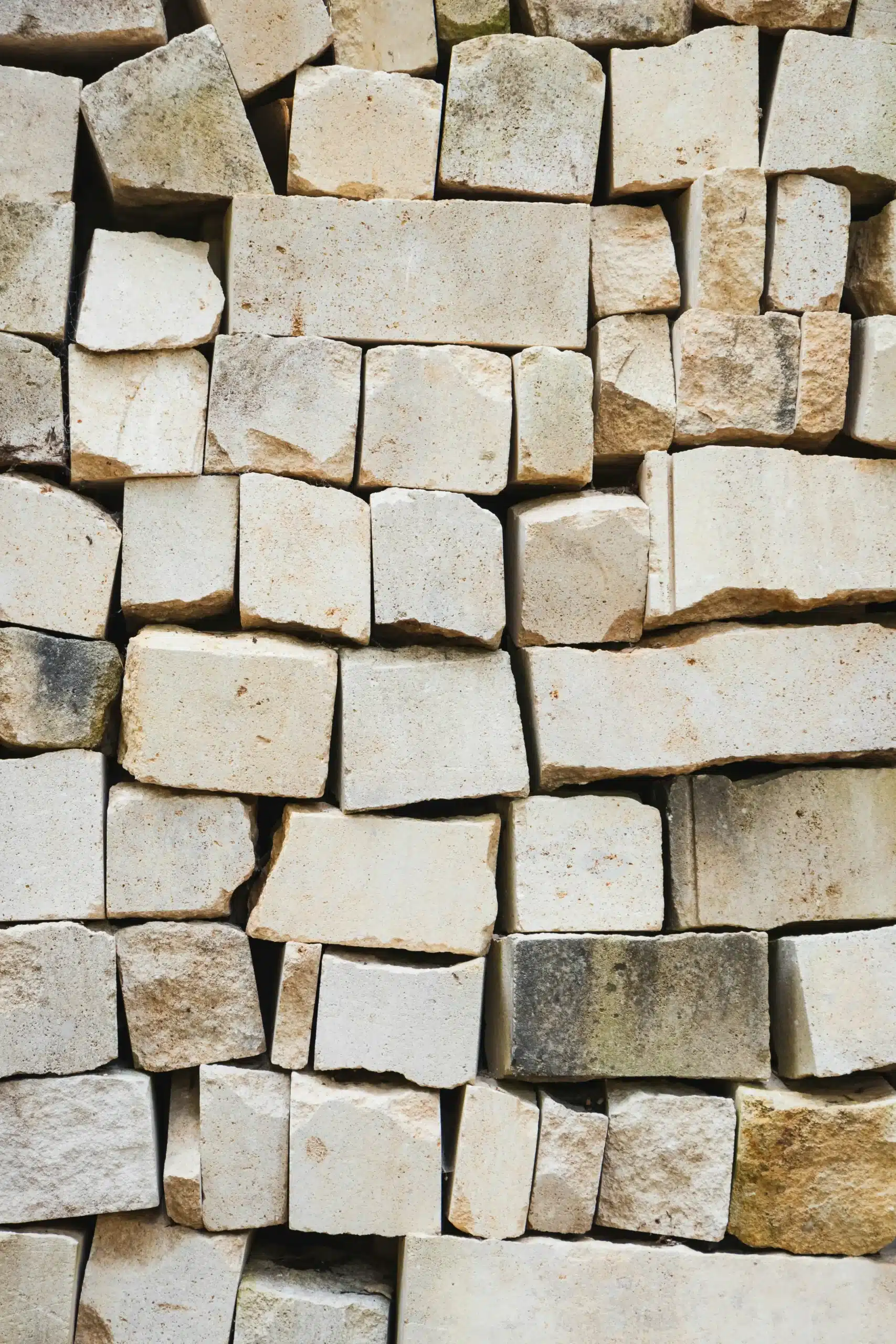
Cómo crear guías de mantenimiento fáciles de rastrear y fáciles de rastrear para la marca
Tarjetas de atención de marca: $0,15 por unidad de inversión genera un aumento del 22% en pedidos repetidos al por mayor.
Tus clientes no necesitan un manual técnico. Necesitan un folleto visual sencillo que les indique cómo mantener la piedra apilada como nueva sin dañarla. Un PDF con pasos basados en íconos (desempolvar semanalmente, limpiar con jabón de pH neutro, aplicar sellador penetrante de siloxano/silano cada dos años, nunca usar una lavadora a presión) reduce las llamadas de soporte técnico en un 40 % y reduce las devoluciones del primer año hasta en un 60 % cuando se combina con la fábrica. pre-sellado.
Valor añadido a la documentación del embalaje:
- Instrucciones de campo genéricas: Los equipos ignoran las hojas con mucho texto que carecen de mapeo de lotes, lo que genera quejas de instalación localizadas y vacíos de responsabilidad.
- Guías personalizadas de marca privada: Hojas impresas en color que contienen logotipos de proveedores personalizados, códigos SKU y matrices de sellado aprobadas integradas de forma nativa en cajas de cartón por un costo menor de $0,15.
Top Source Slate diseña e imprime estos insertos como parte de su servicio de embalaje OEM. La guía incluye pasos de cuidado visual adaptados al tipo de piedra específico (paneles de larguero de cuarcita, mármol o granito) además de instrucciones de almacenamiento para contratistas que compran paletas. Para los importadores, esto convierte un producto genérico en un producto listo para la venta al por menor con protección de margen incorporada.
| Elemento | Contenido | Formato | Beneficio |
|---|---|---|---|
| Protocolo de limpieza | Utilice un limpiador con pH neutro y un cepillo suave, evite lejía o limpiador a presión. | Tarjeta de pasos basada en iconos (PDF de una página) | Previene el grabado de superficies y reduce las reclamaciones por daños en un 40% |
| Calendario de sellado | Aplique sellador penetrante de siloxano/silano cada 1 a 3 años. | Inserto de recordatorio de calendario con referencia de SKU del producto | Reduce las quejas por manchas a largo plazo y extiende la vida útil instalada. |
| Almacenamiento & Guía de manejo | Mantenga la humedad por debajo del 60%, almacene fuera del suelo, ventile 24 horas después del envío | Póster de almacén + tarjeta de lista de verificación de puerta de contenedor | Reduce las roturas relacionadas con el tránsito del 3% a menos del 1% |
| Inserto de marca OEM. | Tarjeta de atención de marca privada con su logotipo, contacto y términos de garantía | Tarjeta impresa ($0.15/unidad) empaquetada dentro de cada paleta | Impulsa un 22 % de pedidos repetidos y refuerza la confianza en la marca del distribuidor. |
| Preguntas frecuentes sobre solución de problemas | Eliminación de eflorescencias, explicación de variación de color, reparación menor de astillas | Página móvil vinculada con un código QR en la guía de cuidados PDF | Reduce las llamadas entrantes de soporte en un 35 % y las devoluciones minoristas en un 50 % |
Conclusión
La conversación sobre mantenimiento que la mayoría de los importadores se saltan comienza 8,000 millas antes de la primera exhibición minorista. El noventa por ciento de lo que se encuentra en línea cubre la limpieza después de la instalación: esponjas, selladores, técnicas con cepillo. Eso es cuidar al usuario final. El último 10 por ciento es el cuidado de su inventario: presellado antes del envío, control de humedad dentro del contenedor e inserciones de mantenimiento de marca que convierten un costo unitario de $0,15 en un aumento del 22 por ciento en la repetición de pedidos. Ésa es la diferencia entre un distribuidor que absorbe rentabilidad y uno que protege el margen.
Revise las opciones de pretratamiento de su proveedor actual. Si no pueden ofrecer pre-sellado, tarjetas de cuidado con etiqueta privada o empaques que mantengan la piedra por debajo del 60 por ciento de humedad durante el transporte, la brecha de mantenimiento está de su lado del contrato. Top Source Slate incorpora esos protocolos en la línea de producción, antes de que la piedra toque la plataforma. Consulte la página OEM Custom Stone Solutions para obtener especificaciones de presellado y muestras de empaques de marca.
Preguntas frecuentes
¿Cuál es la mejor forma de limpiar piedra apilada sin dañarla?
Utilice un limpiador de piedras con pH neutro y un cepillo suave; evite productos ácidos o abrasivos que graben la piedra natural. Enjuague bien con agua a baja presión para evitar la acumulación de residuos. Siempre pruebe primero el limpiador en un área oculta.
¿Con qué frecuencia debo sellar el revestimiento de piedra apilada?
Debe sellar el revestimiento de piedra natural apilada cada 1 a 3 años, dependiendo de la exposición y el desgaste. Las instalaciones de mucho tráfico o al aire libre pueden necesitar un sellado anual para mantener la protección. Verifique la absorción de agua anualmente para decidir.
¿Es necesario sellar la piedra apilada antes de la instalación?
Sí, sellar antes de la instalación ayuda a prevenir daños por humedad y eflorescencias, especialmente en piedras porosas. El sellado previo de las superficies delantera y trasera proporciona la mejor protección a largo plazo. Selle ambas caras para obtener mejores resultados.
¿Puedo usar una lavadora a presión sobre piedras apiladas?
No, las lavadoras a presión pueden introducir humedad en la piedra y dañar la superficie o la lechada. Utilice en su lugar una manguera de jardín de baja presión y un cepillo suave. Si es necesario, mantenga la presión por debajo de 1000 PSI y use una boquilla en abanico ancha.
¿Cómo evito la eflorescencia en mi muro de piedra apilada?
Controle la humedad sellando la piedra adecuadamente, asegurando un buen drenaje detrás de la pared y almacenando la piedra en condiciones secas antes de la instalación. Primero trate las fuentes de agua y luego trate las manchas blancas. Revise los orificios de drenaje y la nivelación para mantener el agua alejada de la pared.