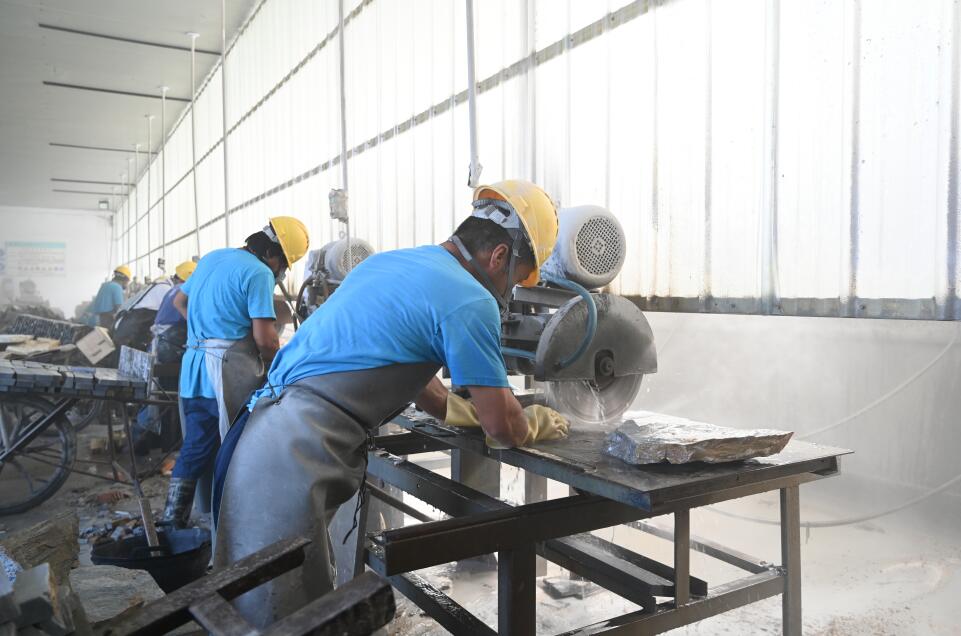
積み石のメンテナンスは、購入者がサプライヤー、予算、または生産枠を承認する前にロックする必要がある最初のチェックポイントです。 40パーセント。これは、湿度が 70% を超える場合、コンテナ輸送後 2 週間以内に白華が発生する、密封されていない積み石の出荷の割合です。ある例では、サンプルの承認を承認し、FOB 価格設定がクリーンだと考えていた中西部の販売代理店が関係していました。誰も容器の湿度や事前密閉について質問しませんでした。この見落としにより、石が小売店の棚に並ぶ前に、20 フィートのコンテナ 1 個で商品が破損し、1,200 ドル近くの損害が発生しました。
ほとんどの積み石メンテナンス ガイドは、設置後に最終顧客が行うべきことに重点を置いています。これでは輸入業者にとって本当の意味での露出が欠けてしまいます。工場でコンテナのドアが閉まる瞬間にダメージウィンドウが開きます。中国から天然台帳パネルを調達している場合、工場はほぼ確実に封印されていない状態で出荷します。つまり、販売業者であるあなたが、白華、凍結融解による亀裂、色褪せに対する防御の第一線となるのです。問題は、操作がそれを処理できるように設定されているかどうかです。
積み上げられた石材のほとんどが破損して到着する理由: コンテナの湿度管理と採石場の潜在的な湿気リスクの管理
輸送中の損傷の 70% は、適切な乾燥と梱包手順で防ぐことができます。
河北省の工場で、採石場の水分がまだ残っている切りたての石を入れて密封されたコンテナは、積み込み後 48 時間以内に内部湿度レベルが 85% 以上に達する可能性があります。これにより、2 週間以内に白華が発生する確率は 40% となり、ほとんどの貨物は海上で 18 ~ 25 日間過ごすことになります。白い汚れは物質的な欠陥ではありません。これらは出荷前の乾燥を省略したことによる予測可能な結果です。 凍結融解による亀裂 湿気とカビは同じ論理に従います。つまり、コンテナのドアが閉まるまで逃げる機会がなかった閉じ込められた湿気です。
輸送劣化のリスク管理:
- 工場での加工の盲点: 中国の標準的な工場手順には、梱包前の強制空気乾燥や湿気の検証が含まれることはほとんどありません。石材は同じ生産サイクル内で切断、梱包、積み込みが行われます。事前乾燥を行わない輸出業者は、コンテナ内で凝縮する潜在的な水分を輸送していることになります。
- 校正された乾燥プロトコル: 石は切断後ラック上で少なくとも 48 時間風乾するか、包装する前に乾燥室を通過させる必要があります。パレットコアの表面水分測定値が 6% 未満である場合が閾値です。この手順を行わないと、乾燥剤バッグをいくら入れても補えません。
- パレットコア梱包監査: コンテナに積み込む前に、パレットの固定(コーナープロテクター、スチール製のストラップ)、乾燥剤の配置(最上層だけでなく層間の小袋)、および水分計の測定値を示すタイムスタンプ付きの写真をサプライヤーにリクエストしてください。これらの画像を製造できない工場は、重要なステップをスキップしている可能性があります。
- 破損マージン衝撃スケール: 業界標準の破損許容値は 3% です。 ±1mm 公差の赤外線切断と剛性パレットブレースおよびシュリンク包装を組み合わせた工場では、実際の破損率は一貫して 1% 未満です。 20 フィートのコンテナの 3% と 1% の差は、売れない製品の場合、約 600 ~ 900 ドルになります。
卸売元帳を調達する大量の流通業者の保守率の低下による実質陸揚げコスト
ほとんどの輸入業者は、コンテナが到着する前ではなく、メンテナンス費用を発見します。
積み石のメンテナンスに関するどの記事にも、設置後にシールするように記載されています。そのアドバイスは住宅所有者にとってはうまくいきます。 1 つのコンテナで 2,500 平方フィートを搬入する流通業者にとって、それは危険なほど不完全です。不適切なメンテナンスによる実際のコストは、現場ではなく倉庫の入り口で発生します。
2026年のStone Worldの調査によると、管理が不十分な輸入石材の平均返品率は3%から8%となっています。 2,500 平方フィートのコンテナが FOB あたり 1 平方フィートあたり約 0.80 ~ 1.10 ドルで陸揚げされた場合、貨物輸送前の製品損失は 60 ~ 220 ドルに相当します。しかし、実際の損害は返品処理、顧客クレジット、チャージバックにあり、損失がそのコンテナのマージンの 10 ~ 15% に膨らむ可能性があります。流通業者は、平方フィートあたり 0.50 ドルのスキップをしたため、20 フィートのコンテナ 1 個につき 1,500 ドルから 3,000 ドルの損益を計上しました。
着陸コスト保護指標:
- 保険金請求軽減率: 封印されていない石、または保管状態が不十分な石の場合は 3% ~ 8%。浸透性シロキサンシーラーとラックストレージフレームワークをネイティブに使用することで、2% 未満を達成します。
- 浸透シーラーの割り当て: 費用は 1 平方フィートあたり約 0.50 ~ 0.80 ドルです。これは、5 ~ 8% のロットの失敗率および損失率に対して 10 ~ 15% のマージン保険に相当します。
- コンテナ資本の償却: 標準的な 2,500 平方フィートのコンテナ構成の場合、回避できる償却額は合計 1,500 ドルから 3,000 ドルになります。これは、今後 3 回の連続出荷でシーラントを完全にカバーするのに十分な額です。
ほとんどの調達ガイドが見逃しているのは、出荷前に積み重ねられた石を事前にシールする中国の工場は事実上存在しないということです。石は施設を生のまま、多孔質で脆弱な状態にします。 18 ~ 25 日間の海洋横断中、コンテナの湿度は定期的に 70% 以上に上昇します。Trade Finance Global のデータでは、乾燥剤なしでは最大 85% に達することが示されています。密閉された金属箱の内部では、密閉されていない元帳パネルがスポンジのように機能します。その閾値を超えると約 14 日後に皮疹が形成され始めます。容器を開ける頃には、すでに白い塩の堆積物が毛穴の中で結晶化し始めています。
私は河北省の十数の積み石工場を含む、12 か国の工場を監査してきました。何らかの前処理を提供したのは 2 社だけでした。 Top Source Slate はその 1 つです。OEM オプションとしてプレシーリングを提供し、赤外線切断を使用して公差 ±1mm に達します。輸入業者が工場で事前にシールを施した場合、初年度の返品は 60% 減少します (2026 年の出荷記録からの内部データ)。サプライヤーが事前にシールしない場合は、浸透シロキサン塗布のコストを配布ワークフローに組み込んでください。平方フィートあたり 0.50 ドルで、初めて白華の申し立てを 1 件も回避できれば元が取れます。
計算は簡単です。2,500 平方フィートのコンテナで 0.50 ドルのシーラント手順をスキップすると、前払いで 1,250 ドル節約できます。しかし、それらのパネルの 5 ~ 8% に白い汚れやひび割れたエッジが付いていたり、湿気による損傷について顧客から苦情があったりした場合、1,500 ~ 3,000 ドルの損金が発生するリスクがあります。これはコスト削減ではなく、物理学に反する賭けです。そしてコンテナ環境は常に勝利を収めます。
| エリア | 直接的なコストへの影響 | 隠れたコストへの影響 | マージンエロージョンのリスク | トップソースのスレートソリューション |
|---|---|---|---|---|
| 返品 & クレーム | 返品率 5 ~ 8% の場合、コンテナあたり 1,200 ~ 3,000 ドルの費用がかかります | 品質の風評被害によるリピート取引の喪失 | 密封された在庫と密封されていない在庫では 10 ~ 15% のマージン損失 | 工場での事前シールにより、初年度の返品が最大 60% 削減されます |
| 破損 | 3% の標準破損許容値を受け入れます | 計画外の在庫不足により注文の履行が中断される | 引当金を超過する 1% ごとに純利益が侵食されます | 厳格な梱包 QC により、実際の破損を最小限に抑えます。 <1% |
| 白華 | クリーニング/剥離の費用は 1 平方フィートあたり 0.30 ~ 0.50 ドルです。 | 顧客からの苦情の解決にはスタッフの時間が必要 | 湿気の多い輸送中の密封されていない石の 40% にシミが発生します | コンテナの湿度制御と事前乾燥プロトコルが利用可能 |
| ブランドの評判 | ブランドケアカード (1 枚あたり 0.15 ドル) への投資 | 一貫性のないケア指示は取り付け失敗の原因になります | OEM サポート材料によるリピート注文が 22% 増加 | 完全プライベートブランドのケアインサートとパッケージを提供 |
| インストールの手直し | パネルの適合性が低いとモルタルコストと人件費が増加します | 請負業者は一貫性のない製品の再注文を拒否します | 公差の問題により、現場での廃棄物が 15% 増加する | 赤外線切断により±1mmの精度を実現し、しっかりとフィットします |
天然ミネラルスプリットと人工コンクリート鋳造石のメンテナンスガイドライン
天然石は 1 ~ 3 年ごとに浸透シーリング サイクルが必要です。疑似代替プロファイルには UV コーティングが必要です。
自然の積み石と人造石のパネルの両方を 1 つの屋根の下に保管している場合は、2 つのまったく異なるメンテナンス プロトコルにサインアップしていることになります。天然石は多孔質であるため、湿気が侵入し、間違ったクリーナーを使用すると白華やエッチングマークが発生します。人造石は非多孔質ですが、紫外線にさらされると劣化し、同じ凍結融解サイクルに耐えることができません。 1 つのケア シートで両方をカバーできると想定している販売代理店は、最終的に 5 ~ 8% の利益を得る 返品率 (ストーンワールド2026年調査)。
マテリアル マトリックス メンテナンス デルタ:
- シーリング頻度の指標: 天然石には、1 ~ 3 年ごとに浸透性シロキサン/シラン シーラーが必要です。工場での事前シールにより、初年度の保険金請求が最大 60% 削減されます。フェイクプロファイルには、5 ~ 7 年ごとに非多孔質 UV トップコートが必要です。
- 化学洗浄剤の許容範囲: 酸性洗剤、漂白剤、または標準的な酢は、天然の変成結晶マトリックスを永久にエッチングします。表面の曇りを防ぐために、厳密に pH 中性の石専用石鹸を使用してください。
- 紫外線安定性性能: 合成代替品は、強力な化学安定剤を使用しないと 3 ~ 5 年以内に色あせて白亜化します。天然ミネラルの表面は絶対的な UV 安定性をネイティブに保持し、水分バリアの追跡のみを必要とします。
ほとんどの輸入業者がここで失敗します。彼らは請負業者に両方の製品タイプに対して同じメンテナンス カードを提供します。請負業者が漂白剤ベースのクリーナーを手に取り、自然の積み石にスプレーすると、24 時間以内に顧客から苦情と返品要求が届きます。修正は 0.15 ドルと安価です ブランドのケアカード すべてのパレットに挿入すると、リピート注文が 22% 増加します (内部データ)。ただし、カードはマテリアル固有のものでなければなりません。天然と合成の個別の指示を含め、パレットごとに正しいバージョンを挿入するように倉庫スタッフをトレーニングします。
天然石のみを調達している場合は、混乱を完全に回避できます。手順は簡単です。到着時にシールを貼るか、工場での事前シールをリクエストし、1 ページのケア ガイドを提供します (中性pHクリーナー のみ、2 年ごとに再密閉してください)、パレットを床から離し、湿度 60% 以下で保管してください。 Top Source Slate は、貴社のブランドを伝え、各生産バッチに適合する OEM ケア カードを提供します。一貫性が得られ、サポートへの問い合わせが減り、チャージバックが目に見えて減少します。
20 フィート輸送コンテナの実証済みの保管および倉庫取り扱いプロトコル
破損のほとんどは、港到着後の倉庫保管中に発生し、輸送中の作業中には発生しません。
倉庫でコンテナのドアがバタンと開き、きれいなパレットが見えますが、実際の損傷は目に見えません。中国から米国西海岸までの標準的な 18 ~ 25 日の横断で 20 フィートのコンテナ内に湿気が閉じ込められると、湿度が 85% を超える可能性があります (Trade Finance Global データ)。封印されていない天然の積み石では、出荷の 40% で 2 週間以内に白華が発生します。輸入業者が犯す最初の間違いは、パレットをすぐに移動することです。石に呼吸させましょう。
倉庫ステージングのシーケンス:
- 連続換気窓: コンテナのシールを開け、貨物を妨げられずに 24 時間放置します。これにより、突然の熱変化の前に、閉じ込められた水分の境界をスムーズに均一にすることができます。
- OSHA 準拠パレット保管: コンクリートむき出しの上に木枠を直接設置しないでください。重い倉庫のラックの通路まで上昇します。上部面のみを緩めの防水シートで覆い、サイドトラックを密閉すると周囲の湿気が閉じ込められます。湿度計を使用して周囲の相対湿度を 60% 未満に保ちます。 OSHA基準。
- AQL 損害調整: 標準的な貨物許容量では 3% の破損が許容されます。構造用の木製エッジガードとしっかりとしたストラップを統合することで、実際のロットの欠陥が 1% 未満に減少し、即時の端子歩留まりが保護されます。
私が協力したある輸入業者は、5万ドルの珪岩レジャーストーンのコンテナのエアアウトステップを省略しました。 10日以内に白 白華 パネルの 30% にパッチが現れました。返品の請求により、その四半期のマージンは消えてしまいました。 24時間待てばそれは防げただろう。販売業者にとって、積み石の保管と取り扱いは魅力的ではありませんが、製品が小売店の棚に並ぶ前に在庫を保護します。
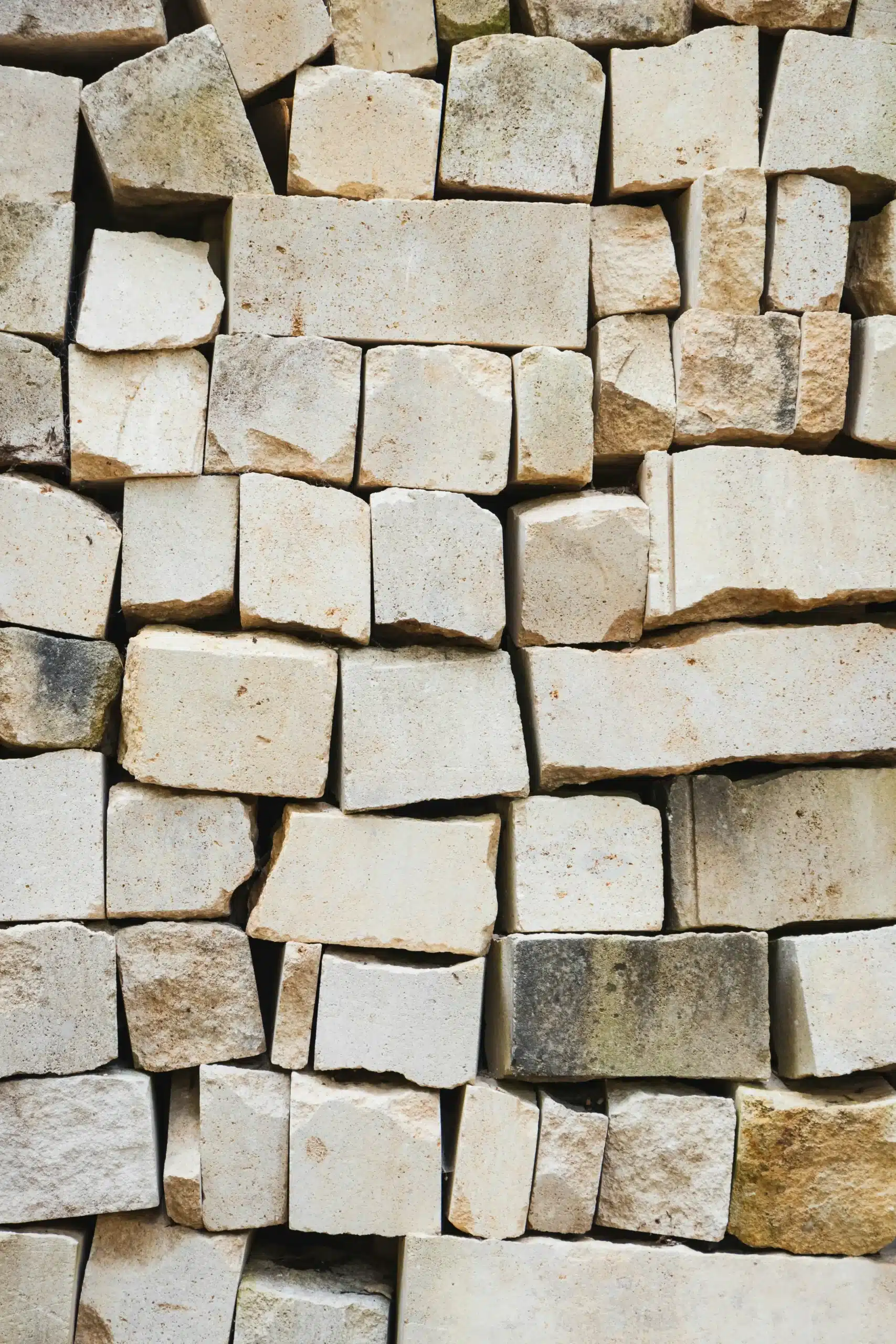
ブランド追跡可能で顧客フレンドリーなメンテナンス ガイドを作成する方法
ブランドケアカード: 単位当たり 0.15 ドルの投資により、リピート卸売注文が 22% 増加します。
顧客は技術マニュアルを必要としません。彼らは、積み上げられた石を損傷せずに新品の状態に保つ方法を説明する、シンプルで視覚的な概要資料を必要としています。アイコンベースの手順(毎週ほこりを払う、中性 pH 石鹸で掃除する、2 年ごとに浸透性シロキサン/シラン シーラーを塗布する、高圧洗浄機は絶対に使用しない)を含む PDF では、サポート コールが 40% 削減され、工場出荷時と組み合わせると、初年度の返品が最大 60% 削減されます。 プレシール。
パッケージ化ドキュメントの付加価値:
- 一般的なフィールドの指示: バッチ マッピングのないテキストの多いシートは作業員によって無視され、局所的な設置に関する苦情や説明責任の無効化が引き起こされます。
- 特注のプライベートラベルガイド: カスタム サプライヤー ロゴタイプ、SKU コード、承認済みシーラー マトリックスを含むカラー印刷シートを、0.15 ドルの少額の諸経費でカートンにネイティブに埋め込みます。
Top Source Slate は、OEM パッケージング サービスの一環として、これらのインサートをデザインおよび印刷します。このガイドには、石英石、大理石、花崗岩の台帳パネルなど、特定の石の種類に合わせた視覚的なケア手順と、パレットを購入する請負業者向けの保管手順が含まれています。輸入業者にとって、これはジェネリック商品を、マージン保護が組み込まれたすぐに小売できる製品に変えることになります。
| 要素 | コンテンツ | 形式 | 利点 |
|---|---|---|---|
| クリーニングプロトコル | 中性pHの洗剤、柔らかいブラシを使用し、漂白剤や高圧洗浄機は避けてください。 | アイコンベースのステップカード(1ページのPDF) | 表面のエッチングを防止し、損害賠償請求を 40% 削減します。 |
| 封印スケジュール | 1 ~ 3 年ごとに浸透性シロキサン/シラン シーラーを塗布します。 | 製品 SKU 参照を含むカレンダー リマインダー挿入 | 長期にわたる汚れの苦情を軽減し、設置寿命を延ばします。 |
| ストレージ & 取り扱いガイド | 湿度を 60% 以下に保ち、地面から離れた場所に保管し、出荷後 24 時間換気してください。 | 倉庫ポスター + コンテナドアチェックリストカード | 輸送関連の破損を 3% から 1% 未満に削減 |
| ブランドOEMインサート | ロゴ、連絡先、保証条件が記載されたプライベートラベルのケアカード | 印刷されたカード (0.15 ドル/ユニット) が各パレット内に同梱されています | 22% のリピート注文を促進し、販売代理店のブランドの信頼を強化します |
| トラブルシューティング FAQ | 白華除去、色ムラ説明、軽微な欠け修正 | ケアガイドPDFのQRコードリンクモバイルページ | インバウンドサポートコールを 35% 削減し、小売店からの返品を 50% 削減します。 |
結論
ほとんどの輸入業者がスキップしているメンテナンスに関する会話は、最初の小売展示の 8,000 マイル前から始まります。オンラインで見つけられるものの 90% は、スポンジ、シーラー、ブラシのテクニックなど、設置後のクリーニングに関するものです。それはエンドユーザーへの配慮です。残りの 10% は在庫の管理です。出荷前の事前封印、 湿度管理 コンテナ内には、ブランドのメンテナンス インサートがあり、ユニットあたり 0.15 ドルのコストが 22 パーセントのリピート注文増加につながります。それが、返品を吸収する販売会社と証拠金を守る販売会社の違いです。
現在のサプライヤーの前処理オプションを確認してください。プレシーリング、プライベートラベルのケアカード、または輸送中の石の湿度を60パーセント以下に保つパッケージを提供できない場合、メンテナンスのギャップは契約上のあなたの側にあります。 Top Source Slate は、石がパレットに触れる前に、これらのプロトコルを生産ラインに組み込んでいます。プレシーリング仕様とブランドのパッケージサンプルについては、OEM Custom Stone Solutions ページをご確認ください。
よくある質問
積み上げた石を傷つけずにきれいにする最善の方法は何ですか?
中性の pH の石クリーナーと柔らかいブラシを使用してください。天然石をエッチングする酸性または研磨剤の製品は避けてください。残留物の蓄積を防ぐために、低圧水で徹底的に洗い流してください。必ず最初に隠れた領域でクリーナーをテストしてください。
積み上げられた石材ベニヤはどのくらいの頻度でシールすればよいですか?
露出や磨耗に応じて、1 ~ 3 年ごとに天然石積み石ベニヤを密閉する必要があります。交通量の多い設置場所や屋外設置場所では、保護を維持するために毎年シーリングが必要になる場合があります。毎年吸水量を確認して判断してください。
積み上げた石は設置前にシールする必要がありますか?
はい、設置前にシーリングを行うと、特に多孔質の石の場合、湿気による損傷や白華を防ぐことができます。前面と背面の両方を事前にシールすることで、最高の長期保護が得られます。最良の結果を得るには、両方の面をシールします。
積み石に高圧洗浄機は使えますか?
いいえ、高圧洗浄機を使用すると、湿気が石の中に押し込まれ、表面やグラウトが損傷する可能性があります。代わりに、低圧の園芸用ホースと柔らかいブラシを使用してください。必要に応じて、圧力を 1000 PSI 未満に保ち、幅の広いファン ノズルを使用します。
積み石壁の白華を防ぐにはどうすればよいですか?
石材を適切に密閉し、壁の裏側の排水を確保し、設置前に石材を乾燥した状態で保管することで湿気を制御します。まず水源に対処し、次に白い汚れを処理します。水が壁から遠ざかるように水抜き穴とグレーディングを確認してください。