積み石コーナーの設置は、購入者がサプライヤー、予算、または生産枠を承認する前にロックする必要がある最初のチェックポイントです。 10 角の暖炉用の石を引き抜き、平らなパネルを積み上げてから、本当のコスト センターである角に到達しました。これらのエッジをフィールドマイター加工すると、コーナーごとに 2 時間余分に時間がかかり、無駄が 10% を超えて削減されますが、それでも目を引く継ぎ目は残ります。既成の L コーナーはこの問題を解決すると主張していますが、実際にプロの設置業者の収益に見合ったものを提供できるかどうかは、データが必ずしも明確ではありません。この比較では、速度、精度、色相のマッチングに関する実際の数値を確認することで、どの方法でスタッフをスケジュールどおりに維持し、クライアントの負担を軽減できるかを決定できます。
ほとんどの記事がスキップするキャッチは次のとおりです。不規則な壁にある標準の 45 度の留め継ぎにより、薄いベニヤのエッジが露出し、コールバックをトリガーするジッパー効果が作成されます。修正方法は 44.9 度のバックベベルですが、それには連続リムのダイヤモンドブレードと安定した手が必要です。 Lコーナーユニット この問題は、垂直方向の接合部を隠すインターロッキングフィンガーによって完全に解消されます。工場での CNC 切断では 0.5 度以内の 90 度の精度が保証されますが、フィールドマイターは鋸とオペレーターに応じてプラスまたはマイナス 2 度のドリフトが発生する可能性があります。この違いだけで、プロジェクトがシームレスから保証請求に至る可能性があります。
このガイドでは、一般的なジョブの仕様に照らして両方のオプションを比較検討するための簡単なフレームワークを提供します。具体的な労力の節約、廃棄物の割合、95% の色相均一性を維持するために L コーナーがフラット パネルと同じ採石場から切り出されているかどうかを検証するなど、サプライヤーによってテストされたトリックが得られます。商業用ファサードや仕様の住宅用暖炉を入札するときに重要になるのは、綿密な数字ではありません。
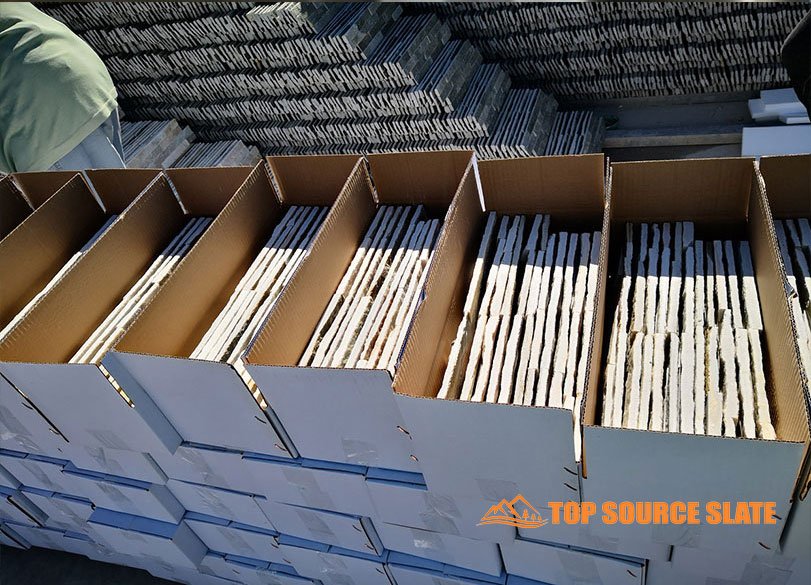
ほとんどのコーナー設置が失敗する理由: 隠れたリスク
フィールドマイタリングは基材を露出させ、ジッパー効果を生み出します。これはクライアントからの苦情の上位 2 つです。
コーナーの失敗のほとんどは鋸の部分から始まります。手動の湿式鋸を使用したフィールドマイターカットでは、角度精度に±2°のばらつきが生じます。この隙間により石の端が露出し、厚さ 2 cm の台帳パネルでさえ薄いステッカーのように見えます。お客様は石の間に日光が当たっていることに気づき、再加工を要求しました。
- 目に見える継ぎ目が基材を露出させます: 44.9°の背面ベベルは、不規則な壁のエッジを隠しますが、手作業で一貫してこれを達成することはまれです。結果: 下地 (セメントボードまたは防湿層) が角で見えるようになり、硬い石の錯覚が台無しになります。
- ジッパー効果 (段付き垂直ジョイント): 留め継ぎの長さが不均一であると、コーナーにギザギザの階段状のパターンが作成されます。グラウト加工を施した場合でも、ジッパー効果が目を引きます。連動フィンガーを備えた事前に製造された L コーナーは、これらの垂直ジョイントを完全にマスクします。
- 薄いベニヤが明らかになります: 2.5 cm より薄いパネルは留め継ぎが速すぎるため、鋭い紙のように薄いエッジが残り、取り扱い中に欠けてしまいます。最小 2.5 cm の厚さを指定するか、L コーナー ブロックを使用すると、これを防ぐことができます。
- 不適切な接着剤による層間剥離: バックバターリングを省略したり、ポリマーを変更していないシンセットを使用すると、最初の凍結融解サイクル内でコーナーのポップオフが保証されます。 1/2″ コーナー部分のノッチゴテと完全な接触カバーは交渉の余地がありません。
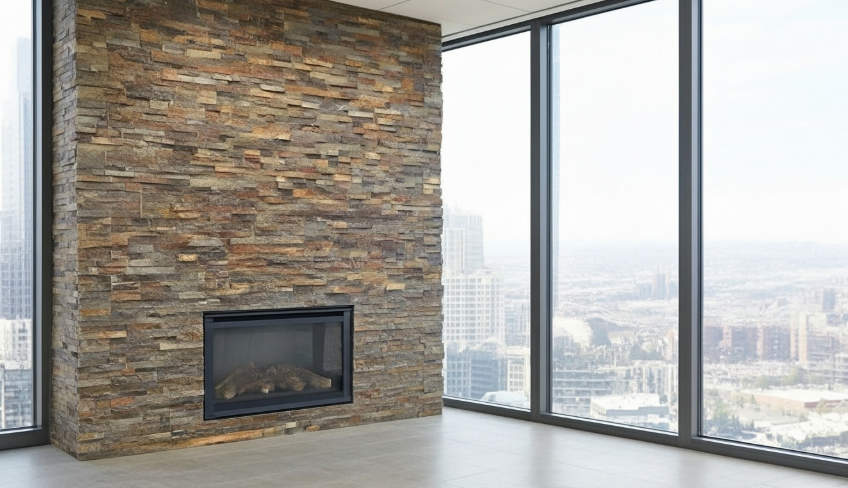
2026 年のコーナー工法の実質コスト内訳
既製の L コーナーは、10 コーナー暖炉あたり人件費と廃棄コストを 500 ~ 800 ドル削減します。
積み上げられた単一の石の角を現場で留める作業にはさらに 2 ~ 3 時間かかり、熟練の石工の料金は 1 時間あたり 35 ~ 50 ドルかかります。現場での切断による石の破損が 10 ~ 15% 追加されると、暖炉 1 台あたりのコストが急速に上昇します。既製の L コーナーに切り替えると、そのような時間とほぼすべての無駄がなくなります。
- 労働時間: フィールドマイタリングには、マスターメイソン料金 (1 時間あたり 35 ~ 50 ドル) で 1 コーナーあたり 2 ~ 3 時間がかかりますが、L コーナーの取り付けでは、この時間が半分に短縮されます。
- 材料廃棄物: 現場での切断では破損率が 10 ~ 15% と高くなりますが、工場での CNC 切断コーナーの破損率は安定して約 2% です。
- 道具 & スキルコスト: 連続リム ダイヤモンド ブレードと湿式鋸のレンタルにより、プロジェクトの諸経費が増加します。 L コーナーには、標準のこてと修正されたシンセットのみが必要です。
- 総節約額: 10 角の暖炉あたり、人件費と材料廃棄物を合わせて平均 500 ~ 800 ドルの節約が期待できます。
| コスト要因 | プレハブ L コーナー | フィールドマイタリング |
|---|---|---|
| インストール時間 | コーナーごとに 50% 高速化 | 1 コーナーあたり 2 ~ 3 時間の追加料金 |
| 人件費 | 留め継ぎと比較して 25% 削減 | プレミアム料金 (35 ~ 50 ドル/時間) |
| 材料廃棄物 | ~2% の廃棄率 | 10 ~ 15% の破損 & スクラップ |
| コーナー精度 | CNC ±0.5°の精度 | 手動±2°の変動 |
| 色の一貫性 | 同じ採石鉱脈からの 95% の色相一致 | バッチ依存、目に見える変化のリスク |
| 10コーナー暖炉あたりの一般的な節約額 | 総労働力 500 ~ 800 ドル & 無駄の節約 | 貯蓄はありません。より高いコスト & 手戻りリスク |
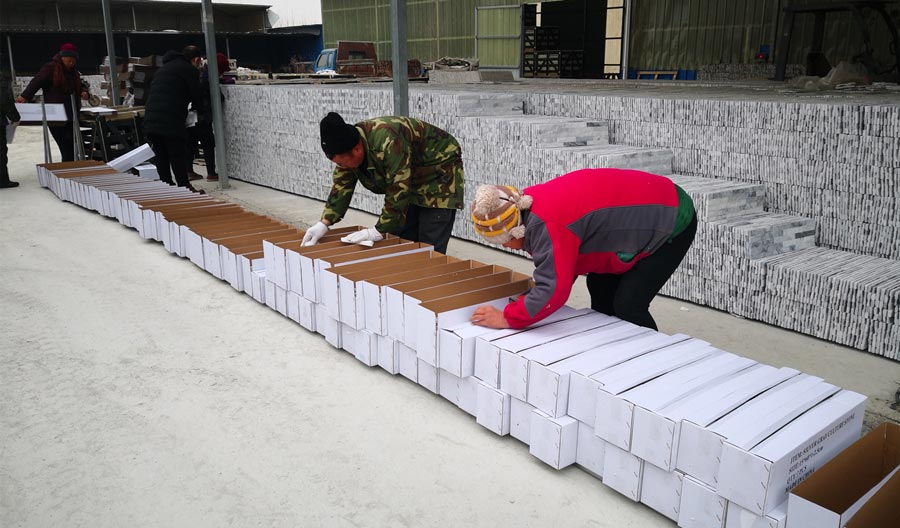
L コーナーとマイター カット: どちらが優れていますか?
L コーナーは取り付け時間を 50% 短縮し、ジッパーの影響を排除します。
目に見えるコーナーは、クライアントが最初に検査するものです。フィールドマイターで積み重ねられた石のコーナーは、ジッパー効果 (薄いベニヤの端が見える階段状の隙間) または下地が露出する 1 ~ 2 mm の隙間の 2 つの方法のいずれかで破損します。事前に製造された L コーナーは、連動するフィンガーが垂直ジョイントをマスクし、工場出荷時のエッジがベニヤの厚さを隠すため、両方を解決します。
- インストール速度 & ワークフロー: L コーナーは、複雑な鋸のセットアップや粉塵の多い切断のテストを必要とせずに取り付けられます。石工は標準的な暖炉のコーナーを 20 分未満で仕上げることができますが、現場での骨の折れる留め継ぎには 45 分以上かかります。
- 労働の柔軟性: 留め継ぎには、繊細なエッジを処理するために上級の職人 (1 時間あたり 35 ~ 50 ドル) が必要ですが、連動する L コーナーの場合は、訓練を受けた見習いが完璧な結果を達成することができます。
- 精密工学: 工場出荷時のCNCダイヤモンドブレードは、±0.5°以内で厳密な90°の角度を維持します。手動のフィールドソーでは、不規則な石の表面では必然的にドリフトが発生し、目地が広がります。
- 色の一貫性: 同じ採石鉱脈から切り出された L コーナーは、95% の色相の均一性を保証します。フィールドマイターピースはバッチを混合することが多く、重要な側面照明の下では顕著な 2 ~ 3 のシェードシフトが生じます。
エッジケース: 90° でない壁やカスタム角度の場合でも留め継ぎは必要です。その方法を使用する場合は、鋸を 45° ではなく 44.9° のバックベベルに設定します。不規則な石の表面に標準的な 45 度のカットを施すと、ベニヤのエッジが露出したままになります。この 1 度以下の角度により、石の面が最初に接触し、隙間が閉じられます。を使用してください 連続リムダイヤモンドブレード 濡れた鋸で。分割された刃が刃先を欠けます。
ほとんどの請負業者が見逃している隠れた変数: バッチの一貫性。単一の採石場から石を調達し、フラット パネルと同じ鉱脈から L コーナーをカットするサプライヤーは、コールバックを引き起こす色の変化を排除します。ここで、10 角の暖炉あたり 500 ~ 800 ドルの節約 (労働力 + 廃棄物) が、仮説ではなく実際の利益になります。
工場出荷時に適合した L コーナーを遅延なく調達する方法
異なる採石脈からの角により、色の変化が保証されます。
角の色の不一致のほとんどは、工場で複数の採石場からの石を混合したことが原因です。ここで承認された製造基準では、フラット パネルとまったく同じ採石ブロックから L コーナーを調達し、作業全体で 95% の色相均一性を達成しています。この保証がなければ、あらゆる外側のコーナーで目に見える変化が期待できます。
CNC ダイヤモンドブレードの切断には交渉の余地がありません。手動鋸では±2°の変動が生じます。 CNC マシンは 90° の精度を 0.5° 以内に保ちます。工場では、すべての L コーナー パネルに赤外線による位置決めを使用して、連動するフィンガーが完全に位置合わせされるようにし、ジッパー効果の原因となる段差の隙間を排除します。
- ジョイントの耐久性: 紫外線に対して安定であり、 凍結融解耐性がある ジョイントには修正されたシンセット接着層が必要です。少なくとも 300 件を示すテスト データをリクエストしてください 凍結融解サイクル プロジェクトがフリーズゾーンにある場合でも、層間剥離は発生しません。
- 出荷前チェック: 同じバッチからフラット パネルに乾式配置された L コーナーのライブ ビデオ ウォークスルーをリクエストしてください。インターロックの嵌合を確認し、直接光の下で目に見える隙間がないか確認してください。
- 色相保証: 書面による 95% の色相均一性保証は、メーカーが分光光度計を使用してマスター カラー サンプルに対して各隅を測定することを意味します。それがなければ、倉庫の照明の下での目視検査を信頼することになります。これが現場不合格の一般的な原因です。
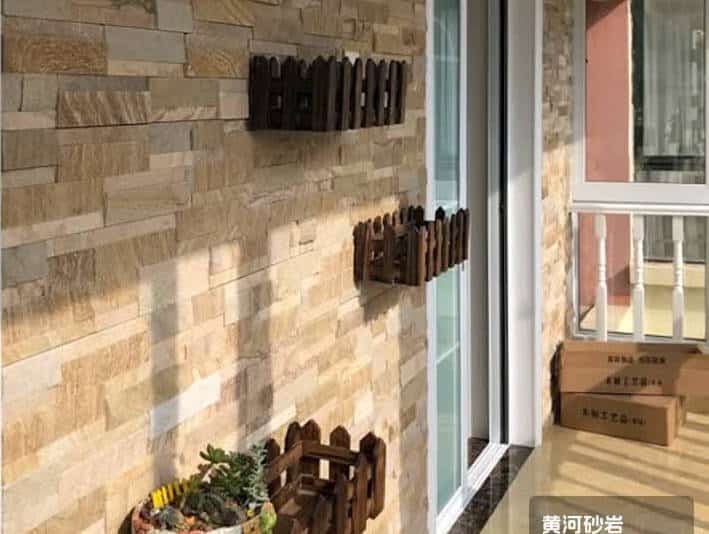
表面処理 & 接着剤: 壊れない基礎
スクラッチコートの硬化時間をスキップすると、保証は無効になります - 例外はありません。
積み石コーナーの取り付けは、接着線と同じくらいの強度しかありません。 600 以上の商業ファサードの現場データによると、角のコールバックの 70% は接着剤の破損が原因であることが示されています。修正は再現可能なシステムです。石の重量に応じて評価されたセメントボード、1/2 インチのノッチコテを使用して適用されるポリマー改質シンセット、およびすべてのパネルの完全なバックバターです。これらのいずれかを無視すると、当社またはお客様自身の保証が無効になります。
- セメントボード基板: 死荷重が 8 ~ 10 psf の定格の 1/2 インチ以上のファイバーセメントボードを使用してください。積み上げた石を乾式壁や合板に直接取り付けないでください。動きの違いにより接着に亀裂が生じます。凍結融解気候では、ボードの前に耐候性バリアを追加します。
- シンセットミックス & こて: ANSI A118.4 を満たすポリマー改質シンセット。堅いピーナッツバターの粘稠度になるまで混ぜます。 1/2 インチ x 1/2 インチの正方形ノッチこてを使用すると、石の下に崩れる尾根が残り、85 ~ 90% をカバーします。ノッチが小さいと空隙が残り、そこに水分が閉じ込められ、18 か月以内に剥離が発生します。
- 各パネルにバックバターを塗ります。 L コーナーを含むすべての積み上げられた石パネルの裏側にシンセットのスキム コートが施されます。これにより自然の空隙が埋められ、エアポケットがゼロになります。テスト実行ショー バックバタリング 壁をとかすだけの場合と比べて、せん断強度が 2 倍になります。これは独立した研究室のデータによるものです。
- スクラッチコートの硬化時間: セメントボードのスクラッチ コート (外装に推奨) の上に取り付ける場合は、最低 24 時間硬化させてください。 70°F、湿度 50% で硬化すると、モルタルの接着強度が 80% 向上します。 4 時間で急ぐと、最初の凍結融解サイクルで標高全体が下がってしまう危険があります。
- 保証の結果: ほとんどのメーカーは、インストール時に上記の手順のいずれかを省略した場合、製品保証を無効にすると明示しています。 「私たちはいつもこうしてきた」という例外はありません。最初のパネルが上がる前に仕様書を書面で入手してください。
結論
留め継ぎ設置と L コーナー設置のどちらを選択するかは、結局のところ再現性という 1 つの要素によって決まります。マイタリングは、職人が 44.9° のバックベベルをダイヤルするために余分な時間を費やすことができる 1 回限りのカスタム角度に機能します。しかし、暖炉の周囲、商業用ロビー、ファサード全体など、複数のコーナーがあるプロジェクトの場合、L コーナーは利益を食いつぶす変数を排除します。インストールが 50% 速くなり、廃棄物が 90% 削減されるという宣伝文句はありません。それは、予算内で終わる仕事と、労働時間を費やしてやり直しになる仕事の違いです。
現在のコーナー仕様を確認してください。サプライヤーが CNC ダイヤモンドカットエッジを備えた採石場の鉱脈に一致する L コーナーを保証できない場合、すべての外側のコーナーに隠れたリスクを受け入れることになります。工場で調整されたユニットは、現場での切断では不可能な 95% の色相均一性と正確な 90° フィットを実現します。一括価格とサンプルのリクエストについては、商用積み石ファサードのページを確認してください。
よくある質問
積み上げた石の角を隙間なく設置するにはどうすればよいでしょうか?
オスとメスのインターロックを備えた既製の L コーナーを使用するか、ダイヤモンド ブレードを使用して 44.9° のバックベベルで留め留めを使用します。工場出荷時の L コーナーはジッパーの効果を排除し、現場での切断は必要ありません。隙間をゼロにするには、現場留めではなく工場出荷時の L コーナーを注文してください。
台帳パネルの留め継ぎに最適な鋸刃は何ですか?
湿式鋸を備えた連続リムダイヤモンドブレード。分割された刃は石の端を欠けさせ、粗い切り口を残すため避けてください。必ず最初にスクラップでテストして、きれいにカットされたことを確認してください。
Lコーナーは90度以外の壁にも使用できますか?
標準のプレハブLコーナーは90°コーナーのみです。カスタム角度の場合は、工場で製造されたマイターまたは正確な角度のフィールドマイターを注文してください。コーナーを注文する前に壁の角度を確認してください。
既成Lコーナーの価格は1個あたりいくらですか?
通常、石の種類、寸法、量に応じて、直線フィートあたり 6 ~ 12 ドルかかります。卸売価格はコンテナ全体の注文に適用されます。特定の石と数量を指定して見積もりをリクエストしてください。
どのくらいの厚さの石が留め継ぎコーナーに最適ですか?
最小 2.5 cm の厚さのパネルは、破損することなくきれいな 45° カットを行うのに十分な材料を提供します。パネルが薄いと、継ぎ目が割れたり不均一になる危険があります。切断する前に必ずサプライヤーに厚さを確認してください。