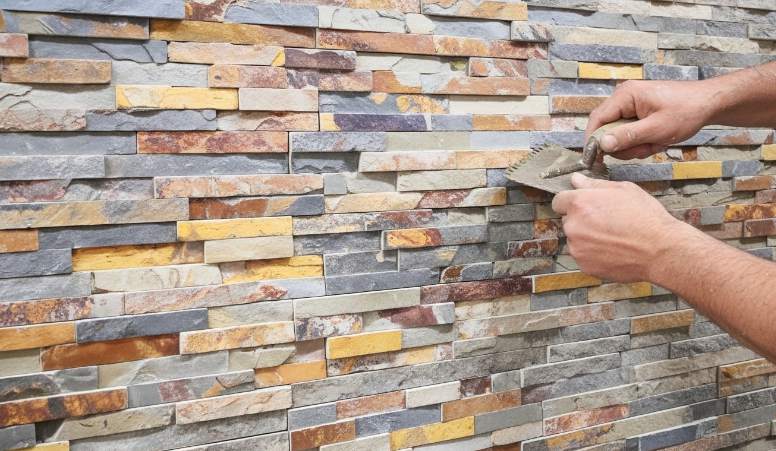
積み石の修理は、購入者がサプライヤー、予算、または生産枠を承認する前にロックする必要がある最初のチェックポイントです。完成した壁に石が落ちていると、請負業者のマージンが急速に侵食されてしまいます。トラックを運転し、診断に 1 時間を費やすと、クライアントは設置全体について疑問を抱き始めます。ほとんどの積み石修理ガイドは、実際の診断ステップを省略して、すぐに接着剤で元に戻します。同じ石が 2 シーズン以内に再び飛び出すのはこのためです。
隠れた原因が石自体にあることはほとんどありません。繰り返される失敗の 70% 以上は、 熱膨張継手 初期インストール時に省略されたもの。壁が加熱および冷却されると、ベニヤが動きます。 12 フィートごとに 1/8 インチの隙間がなければ、その動きによって応力がモルタル結合に直接伝わります。この制約をチェックせずに単に石を再接続すると、別のコールバックが保証されます。修正は簡単ですが、何かを混ぜる前に、緩い部分を超えて下地と壁のレイアウトを確認する必要があります。
積み上げた石材のベニヤに亀裂が入る理由: 隠れた根本原因
繰り返される故障の 70% 以上は、カットされなかった熱膨張ギャップに遡ります。
シンセットを引き抜く前に、なぜ石が手放されたのかを考えてください。積み重ねられた石材ベニヤの故障の 85% は、パネルの裏側に閉じ込められた湿気から始まります。ルースストーンの裏側が湿っているように感じたり、下地に黒い影が見えたりする場合は、石が悪いわけではなく、湿気が閉じ込められていることが考えられます。まずその根本原因を封じなければ、修復は 1 シーズン以内に失敗します。
- 湿気の閉じ込め: 壁に適切な排水面がなかったり、シーラーが摩耗したりすると、水が石の裏側に浸透します。内部データでは、修復後のコールバックの繰り返しが 60% 削減され、適切にシールされたことが示されています。
- 不足している拡張ギャップ: 石は温度変化に応じて伸縮します。 1/8をスキップする壁″ 12 直線フィートごとにギャップがあると、失敗が 70% 増加します。これは、設置マニュアルで最も見落とされている詳細です。
- インパクト: はしご、芝刈り機の石、または工具の落下による直撃により、ヘアライン亀裂が生じ、凍結融解サイクルを経て広がります。亀裂はその症状です。影響が原因です。
- 白華: 白くチョーク状の堆積物は、水が石の中を移動して塩が堆積していることを意味します。それ自体は構造的なものではありませんが、慢性的な湿気の動きを示し、最終的に結合を弱めます。
- セトリング: 基礎の動きや土壌の圧縮により、ベニヤに不均一なせん断応力がかかります。複数の石に斜めに走る亀裂は、接着不良ではなく、構造的な沈下を示しています。
- 熱サイクル: 南向きと西向きの壁は直射日光で焼けます。膨張と収縮を繰り返すと、モルタルボンドラインは 2 ~ 3 年かけて疲労します。ポリマー改質シンセットは高温でも柔軟性を維持するため、標準モルタルよりもこの問題にうまく対処できます。
こてに触れる前に根本原因を診断してください。拡張ギャップの欠落によって生じた緩んだ石は、単に接着剤で貼り直すだけでは 2 シーズン以内に再びひび割れます。隙間をカットしてから補修します。この 1 つのステップにより、5 年間の修正と 2 か月のコールバックが分離されます。
ツール & 接着剤: 永続的な修理のためにプロが使用するもの
ポリマー改質シンセットは、外壁の引き剥がし強度において建築用接着剤を 40% 上回ります。
間違った接着剤はやり直しの最大の原因です。外壁または湿気が発生しやすい壁の場合は、ポリマー改質シンセット (ANSI A118.4 準拠、圧縮強度) が必要です。 >2500 psi)。標準モルタルの引き剥がし強度は 120 psi ですが、ASTM C1670 に基づく引き剥がし強度は 200 psi です。高級建築用接着剤 (PL プレミアムなど) は、湿気が影響しない室内のアクセント壁に適しています。標準的なマスチックは使用しないでください。垂直の石材では 12 か月以内に破損します。
- 石あたりのコスト (ポリマー改質シンセット): 約 60 平方フィートをカバーする 50 ポンドの袋の場合、石あたり $0.80 ~ $1.20。平方フィートあたり 6 石の場合、材料費は石あたり約 $0.12 になります。
- 石あたりのコスト (高級建築用接着剤): 約 8 ~ 10 個の石をカバーする 10 オンスのチューブあたり $4.50 ~ $6.00。つまり、石あたり 0.45 ~ 0.75 ドルになります。
- 石あたりのコスト (同色のエポキシ): 4 ~ 6 個の小さな欠けや亀裂をカバーする 8 オンスのキットあたり 8 ~ 12 ドル。表面の修理のみが対象であり、構造的な再取り付けは対象外です。
- 修理ごとの総材料費 (ルースストーン 1 個): $0.12 (シンセット) + $0.50 (シーラー部分) + $0.20 (ワイヤーブラシの磨耗) = ~$0.82。専門家料金: 石あたり 150 ~ 200 ドル。
トルク定格を含む工具チェックリスト: (1) 1/2 インチの超硬ビットを備えたハンマー ドリル — 最小 7.5 アンペア、可変速度 0 ~ 1,200 RPM。 (2) ダイヤモンド湿式鋸刃 — 4.5 インチ、連続リム、最大定格 12,000 RPM。 (3) ステンレス鋼ワイヤー ブラシ — 4 列、幅 1.5 インチ、グラウトギャップのクリーニング用。 (4) ノッチ付きこて — シンセット塗布用の 1/4 x 1/4 x 1/4 インチの正方形のノッチ。 (5) アンカー ボルト用のトルク レンチ — 元帳パネルの留め具の場合は 15 フィートポンドに設定します。 (6) 赤外線温度計 - 接着剤を塗布する前に基材の温度を確認するための ±2°F の精度 (45°F 以上である必要があります)。
エポキシ vs. モルタル: 適切な補修剤の選択
カラーマッチしたエポキシは、チップや表面の亀裂ラインをシームレスに処理します。
色を合わせたエポキシは、最大 1/8 の欠け、ヘアラインの亀裂、表面の欠陥に対応するツールです。″ 広い。ほとんどのガイドがスキップするトリックは、同じバッチから得た小さなスクラップ石を粉砕して細かい粉にし、それをエポキシに混ぜるというものです。これにより、ΔE の色差が 1.5 未満に低下し、直射日光の下では見えなくなります。標準的なエポキシだけでは、クライアントが部屋の反対側から見ても、光沢のある不一致な箇所が残ります。これらの表面修正には、引張接着強度が 1000 psi (ASTM C482) を超える 2 液型エポキシを使用してください。
台帳パネルまたは個々の石が基材から完全に剥がれた場合の完全な石の再取り付けの場合、ポリマー改質シンセットが唯一の選択肢となります。内部テストでは、標準モルタル (ASTM C1670) の引き剥がし強度が 120 psi であるのに対し、200 psi を実現することが示されています。一般的な建築用接着剤のテストでは、凍結融解サイクルにさらされた外装基材では 40% 弱くなります。 1/4 の塗料を使用して、シンセットを石材の背面と壁の下地の両方に塗布します。″ 切り込みのあるこて。押し出されるまで石を押し、テープで固定して完全に 48 時間硬化させます。
- 色を合わせたエポキシ: 安定したクラックに使用 < 1/8″。同じバッチからの砕石粉を混ぜます。引張結合 > 1000 psi (ASTM C482)。 24時間硬化します。費用: 修理 1 回につき ~15 ドル。
- ポリマー修飾シンセット: 外壁の石材全面貼り替えに使用します。 ANSI A118.4準拠、圧縮強度 > 2500 psi。引き剥がし強度 200 psi。 48時間硬化します。コスト: 石あたり約 8 ドル。
- 柔軟なポリウレタンシーラント: 熱膨張による亀裂や接合部の移動に使用します。伸長 > 50%。深い隙間にはバッカーロッドを使用して塗布してください。費用: 1 チューブあたり ~12 ドル。
- よくある間違い: 動いている亀裂にエポキシを塗布すると、1シーズン以内に再び亀裂が発生することが保証されます。コンパウンドを選択する前に、必ず熱の動きを確認してください。
柔軟なシーラントは幅が 1/8 を超える亀裂の代替手段です″ 窓、隅、伸縮継手の近くなど、熱の移動が避けられない場所。標準的なエポキシやモルタルは伸びがないため、2 シーズン以内に再び亀裂が発生します。伸び率50%以上のポリウレタンシーラントを使用し、三面接着を防ぐため施工前にバッカーロッドを取り付けてください。これは、市販の石材被覆材の制御ジョイントに使用されているのと同じ材料です。
ステップバイステップ: 緩んだりひび割れた石材ベニヤを修復する方法
繰り返される故障の 70% 以上は、石が悪いのではなく、伸縮継手の欠落が原因です。
まずは壁全体を点検することから始めます。緩んだ石やひび割れた石にはすべてペインターテープで印を付けます。ステンレスワイヤーブラシ(4列1.5本)を使用″ 幅)を使用して、隙間と石の裏面から古いモルタル、接着剤、破片をすべてかき出します。見つけたら 白華 あるいは石の後ろの湿気、やめてください — 湿気の侵入 失敗の 85% の根本原因はこれです。石が元に戻る前に、その下地を乾燥させて防水処理する必要があります。
- ツールチェック: ステンレスワイヤーブラシ、コールドチゼル、ハンマー、掃除機、ペインターテープ、刻みこて(1/4)″ ×3/8″)。
- モルタル除去深さ: 最小1/2″ 石の後ろの隙間をきれいにして、接着剤を新たに接着します。
- 水分テスト: テープ a 2′ ×2′ プラスチックシートを基材に24時間貼り付けます。内部に結露があるということは、壁の準備ができていないことを意味します。
外装の修理には、ポリマー改質シンセット (ANSI A118.4 準拠、圧縮強度) を適用します。 >45 度の角度で保持したノッチ付きこてを使用して、石の裏側と下地の両方に 2500 psi) の圧力をかけます。これにより、圧力がかかると潰れる均一な隆起が形成され、エアポケットが排除されます。内部テストでは、この方法では標準モルタルの引き剥がし強度が 120 psi であるのに対し、200 psi を達成することが示されています。湿気が問題にならないインテリアのアクセントウォールの場合は、高級建築用接着剤が効果的ですが、ポリマーで改質されたシンセットは、屋外の基材では依然としてそれよりも 40% 優れています。
軽くひねる動作で石を所定の位置にしっかりと押し込み、尾根を崩します。石が隣接するピースと面一になるまで均一な圧力を加えます。公差は ±1/16 でなければなりません″。ジョイント部分をペインターテープで固定します。丸48時間硬化させます。この期間中は邪魔したり、グラウトしたり、密閉したりしないでください。治療を急ぐことが、コールバックへの最速の方法です。
硬化後、pH 中性のストーンクリーナーと柔らかいナイロンブラシを使用して余分な接着剤を取り除きます。天然石には酢、漂白剤、酸性洗剤を決して使用しないでください。乾燥したら、通気性のあるシラン/シロキサン シーラーを塗布します (蒸気透過性)。 >ASTM E96 に基づいて 5 パーマ) ポンプスプレーを使用して 2 回の薄いコートを塗布します。次の塗装までは 24 時間待ちます。フィルム形成アクリルシーラーは湿気を閉じ込め、2 シーズン以内に剥離を引き起こします。 3 ~ 5 年ごと、または表面に水が滴らなくなったら、塗り直してください。
最後の確認: オリジナルの石のバッチが入手できない場合、色の不一致が最大のリスクになります。当社ではバッチ記録を 2 年以上保持しており、15 ~ 25 日以内に完全に一致する交換石を生産できます。この保証により、修理作業における顧客からの苦情の最も一般的な原因が排除されます。
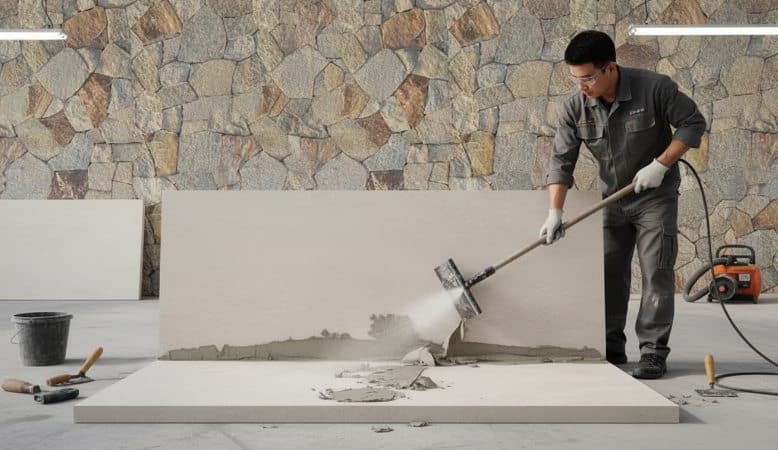
シーリング & 修理したベニヤを保護する
ベニヤの故障の 85% は湿気から始まります。シーリングは最も安価な保険です。
修理は、保護することと同じくらい効果があります。シーラーをスキップしたり、間違ったシーラーを使用したりすると、2 シーズン以内に元の壁に戻ってしまいます。データは明らかです。積み石ベニヤの故障の 85% は湿気の侵入が原因であり、修理後に適切に密閉することで、繰り返しの問い合わせが 60% 減少します。天然石と製造されたベニヤの両方に同様に機能するものは次のとおりです。
通気性のあるシラン/シロキサンシーラーを使用してください。これらは石の表面に浸透し、化学反応して蒸気を逃がす撥水層を形成します。石の後ろに閉じ込められた湿気が原因となる外壁にとって重要です。 凍結融解による剥離。フィルム形成アクリルは表面に留まり、湿気を閉じ込め、UV の下で黄変します。修理箇所ではアクリルフィルムが剥がれたり変色したりして、目に見える斑点ができてしまい、色を合わせた修理の意味が台無しになってしまいます。 ASTM E96 では、屋外ストーンシーラーには 5 パームを超える蒸気透過性が要求されます。シラン/シロキサン配合物はこれを容易に満たします。アクリルは通常、1パーマ未満でテストされます。
- 応用テクニック: 1回の厚塗りではなく、2回の軽めのコート。厚いコートは低い部分に溜まり、光沢のある残留物が残ります。ポンプスプレーまたはローラーを使用して 20 ~ 30 分間隔で 2 回薄く塗布すると、均一な浸透が保証されます。総適用範囲: 石の多孔性に応じて、1 ガロンあたり約 200 ~ 300 平方フィート。
- 再申請スケジュール: 暴露量に応じて 3 ~ 5 年ごと。南向きの壁、沿岸の塩気、凍結融解ゾーンは 3 年間で終了します。保護されたインテリアアクセントウォールは 5 ~ 6 年間伸びることがあります。テストの準備: 表面に水をふりかけます。ビーズ状になって流れ落ちても、シーラーはまだ有効です。石に浸透して黒ずんだ場合は、塗り直してください。
- シーラントの適合性のテスト: 修復箇所にシーラーを塗布する前に、特に元の石材が未知の製品でシーラーされている場合は、小さな目立たない箇所でテストしてください。新しいシーラーを4に塗布します。″ ×4″ エリアに移動して24時間待ちます。黒ずみ、黄ばみ、または光沢のある光沢の違いを探してください。テストスポットが周囲の石と一致する場合は、続行します。色が濃くなったり、リングが残ったりする場合は、別の処方に切り替えてください。シラン/シロキサンは通常、すべての天然石に対して安全ですが、樹脂コーティングが施された一部の製造ベニヤは予期せぬ反応を起こす可能性があります。
もう 1 つ注意してください。モルタルまたはエポキシが完全に硬化するまでは、決して修理箇所を密閉しないでください。 ポリマー改質シンセット 70°Fで48時間必要です。エポキシ修復コンパウンドは製品に応じて 24 ~ 72 時間必要です (引張接着強度の仕様を確認してください - ASTM C482 が要求しています) >1000 psi)。密閉が早すぎると、修理接合部に残留水分が閉じ込められ、接着剤が内部から剥がれる可能性があります。あなたは石を直しました。急いでシーラーコートをしてそれを妨害しないでください。
プロと DIY のどちらに電話するべきか: 請負業者決定ガイド
壁の 20% 以上が緩んでいる場合は、専門家に連絡してください。DIY では費用対効果が低くなります。
たくさんの修理をしていただきました。ドリルはご存知でしょう。空洞を掃除し、接着剤を塗布し、石をリセットします。しかし、仕事によっては、時間をかけたり保証したりする価値がないものもあります。 DIY で行うかプロに依頼するかは、損傷の割合、ストーンマッチの入手可能性、下地の状態という 3 つの変数によって決まります。現場で計算を実行する方法は次のとおりです。
- ダメージ閾値: 壁面の20%以上に緩みや亀裂がある場合は作業を中止してください。根本的な原因はほぼ確実に、接着剤の欠陥ではなく、基材の欠陥です。 DIY パッチ適用は、基礎となる構造が動いているため、12 か月以内に失敗します。プロは壁を剥がし、下地に対処し、適切な拡張ギャップを設けて再取り付けします。これにより、繰り返しの失敗が 70% 削減されます。
- 基板の水による損傷: 露出した基板に水分計を押し込みます。測定値が水分含量 18% を超えている場合は、水の侵入が活発に行われています。水源を修理しないDIY修理はコールバック保証です。プロは、石を再設置する前に、排水面と蒸気透過性バリアを設置します。この手順を省略すると、修理は 1 シーズン持続しません。
- オリジナルの石のバッチは入手できません: オリジナルのバッチがなくなった場合は、2 つのオプションがあります。影響を受けるすべての石を、一致するもの (継ぎ目が見える) に交換するか、カスタム OEM の注文です。当社の OEM サービスはバッチ記録を 2 年以上保持し、15 ~ 25 日以内に完全に一致する石を生産できます。クライアントがカスタム実行まで 3 週間待てない場合は、プロが色を合わせたエポキシを使用して修復をブレンドすることができます。これは、ΔE の色差を達成する技術です。 <1.5、直射日光の下では見えません。
意思決定ツリーは次のとおりです。ダメージが 20% 未満で、下地が乾燥しており、石が利用可能な場合は、DIY で ポリマー改質シンセット そして適切なシーラント。これら 3 つの条件のいずれかが満たされない場合は、プロに任せてください。計算は簡単です。プロの修理費用は 1 石あたり 150 ~ 200 ドルですが、DIY での修理が失敗すると、材料費、人件費が 2 倍かかり、顧客の信頼も失われます。
| シナリオ | DIY可能 | プロに電話する | 重要な要素 |
|---|---|---|---|
| ダメージ < 壁の 20%、石バッチが利用可能 | はい | いいえ | ストーンマッチ & 範囲 |
| ダメージ > 壁、下地音の20% | いいえ | はい | 構造評価が必要 |
| 水で損傷した下地または腐敗 | いいえ | はい | 湿気修復の専門知識 |
| オリジナルのストーンバッチは入手できません | いいえ | はい | OEMのカラーマッチが必要です |
| 単一の石の亀裂 < 1/8″ 広い | はい | いいえ | エポキシ補修で十分 |
| 移動亀裂または熱の問題 | いいえ | はい | 伸縮継手の修正 |
| 顧客の保証が問題になる | いいえ | はい | 責任 & ドキュメント |
結論
2 シーズン以内に失敗する修復は修正ではなく、コールバックが起こるのを待っているだけです。熱膨張チェックを省略したり、間違った接着剤を使用したりすると、確実に現場に戻り、人件費を吸収できます。ここでの 4 つのステップ (診断、結合、照合、シール) により、仕様に従うときにそのリスクが軽減されます。
修理で石を交換する必要があり、元のバッチがなくなった場合、次の悩みは色ずれです。ここでバッチの保持が重要になります。 OEM カスタム石材ソリューションのページを参照して、完全一致の交換品がどのように複数フェーズのプロジェクト全体でシームレスな外観を維持するかを確認してください。
よくある質問
ひび割れた石材ベニヤを修復するにはどうすればよいですか?
亀裂とその周囲の領域をきれいにしてから、同色のエポキシまたは石の補修パテで埋めます。構造的な亀裂の場合は、膨張ギャップの欠落などの根本原因にも対処する必要があります。そうしないと、亀裂は 1 ~ 2 シーズン以内に再発します。フィラーを塗布する前に必ず原因を診断してください。
石を積むのに接着剤は何を使っていますか?
屋外または湿気の影響を受けやすい設置には、ポリマー改質シンセットを使用してください。標準的な建築用接着剤よりも 40% 優れた引き剥がし強度を実現します。屋内の乾燥したエリアの場合は、高級建築用接着剤の方が効果が速く、許容範囲内です。接着剤を壁の露出レベルに合わせてください。
積み上げた石をどうやって封印するのですか?
ポンプスプレーまたはローラーを使用して、水たまりを避けるために小さな部分に作業しながら、通気性のある水ベースの浸透シーラーを塗布します。曇った膜を防ぐために余分な部分はすぐに拭き取り、完全に硬化するまで 48 時間待ちます。最初に隠された石でシーラーをテストして、色の効果を確認します。
積み石に使用するモルタルの種類は何ですか?
石材ベニヤ用に評価されたポリマー改質シンセットモルタルを使用してください。標準のタイプ N または S モルタルは弱すぎるため、垂直用途では失敗します。ポリマー添加剤は、熱の動きに対応するために必要な柔軟性を与えます。石材ベニヤシンセットの代わりにレンガモルタルを決して使用しないでください。
積み石に封印は必要ですか?
はい、石が屋外またはシャワーなどの濡れた場所に設置されている場合は可能です。密封により、吸湿、白華、凍結融解による損傷を防ぎます。屋内の乾式壁にはシーリングが必要ない場合がありますが、シーラーはほこりや汚れから保護します。湿気にさらされない内壁にのみシーリングを省略してください。